
 Available in GB
Content

The Maths Most Players Never Run
I once sat with a calculator and worked through the actual expected value of a typical casino bonus. The exercise took about ten minutes, and the result was sobering enough that I now walk through it with anyone who asks whether bonuses are “worth it.” The short answer is that wagering requirements exist specifically to ensure the house retains its edge — and in most cases, they succeed.
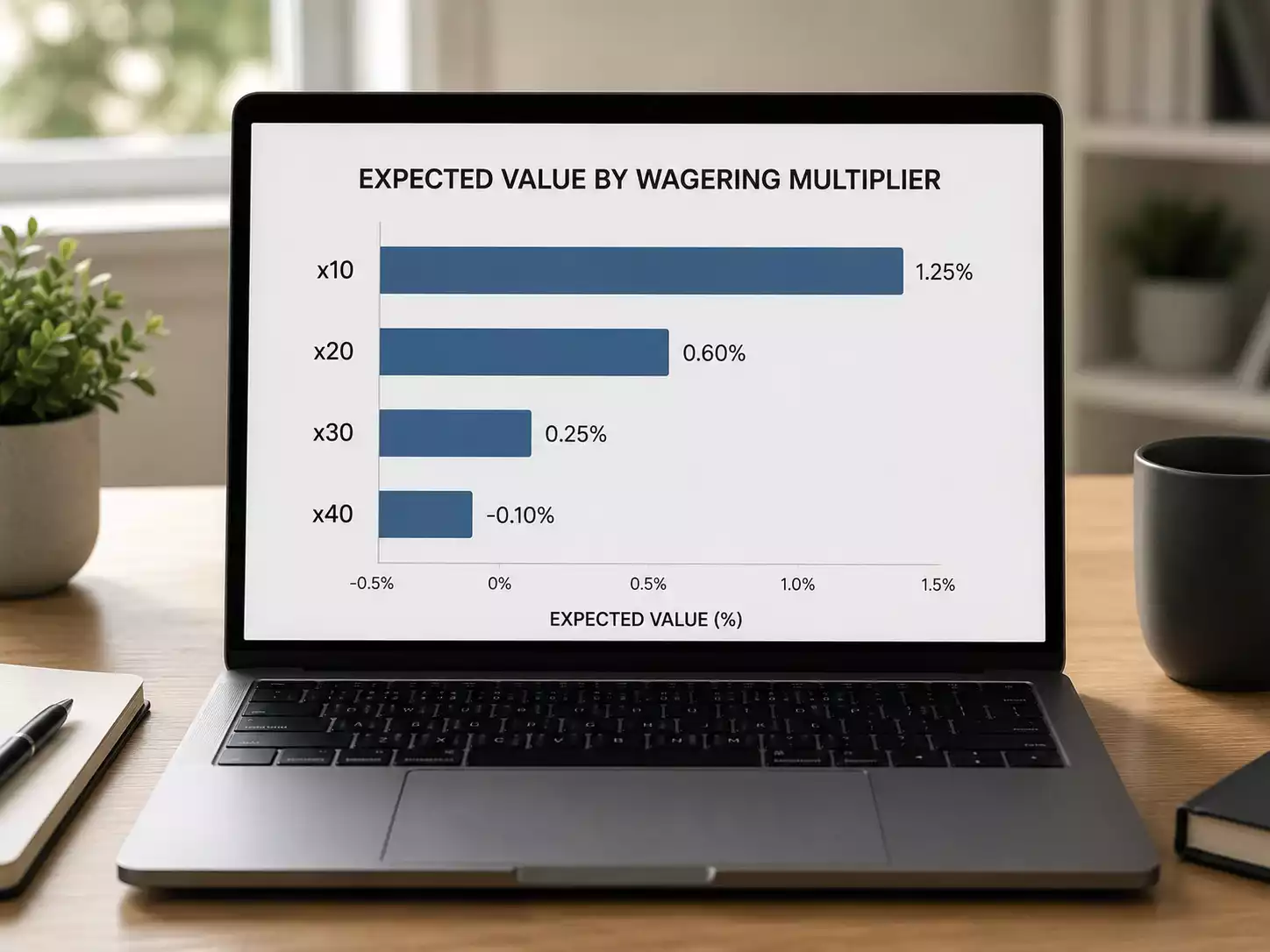
The UK Gambling Commission introduced a cap of x10 maximum wagering requirement for UKGC-licensed operators from January 2026. That cap fundamentally changed the bonus landscape at regulated sites. Before it, wagering requirements of x30, x40, even x50 were standard. At x40, a player with a 20-pound bonus needs to wager 800 pounds before withdrawing any winnings. Assuming the house edge on eligible games averages 3-4%, that player will statistically lose 24-32 pounds just fulfilling the requirement — more than the bonus itself. The x10 cap means a 20-pound bonus now requires only 200 pounds in wagers, with an expected loss of 6-8 pounds. Still a cost, but a dramatically different proposition.
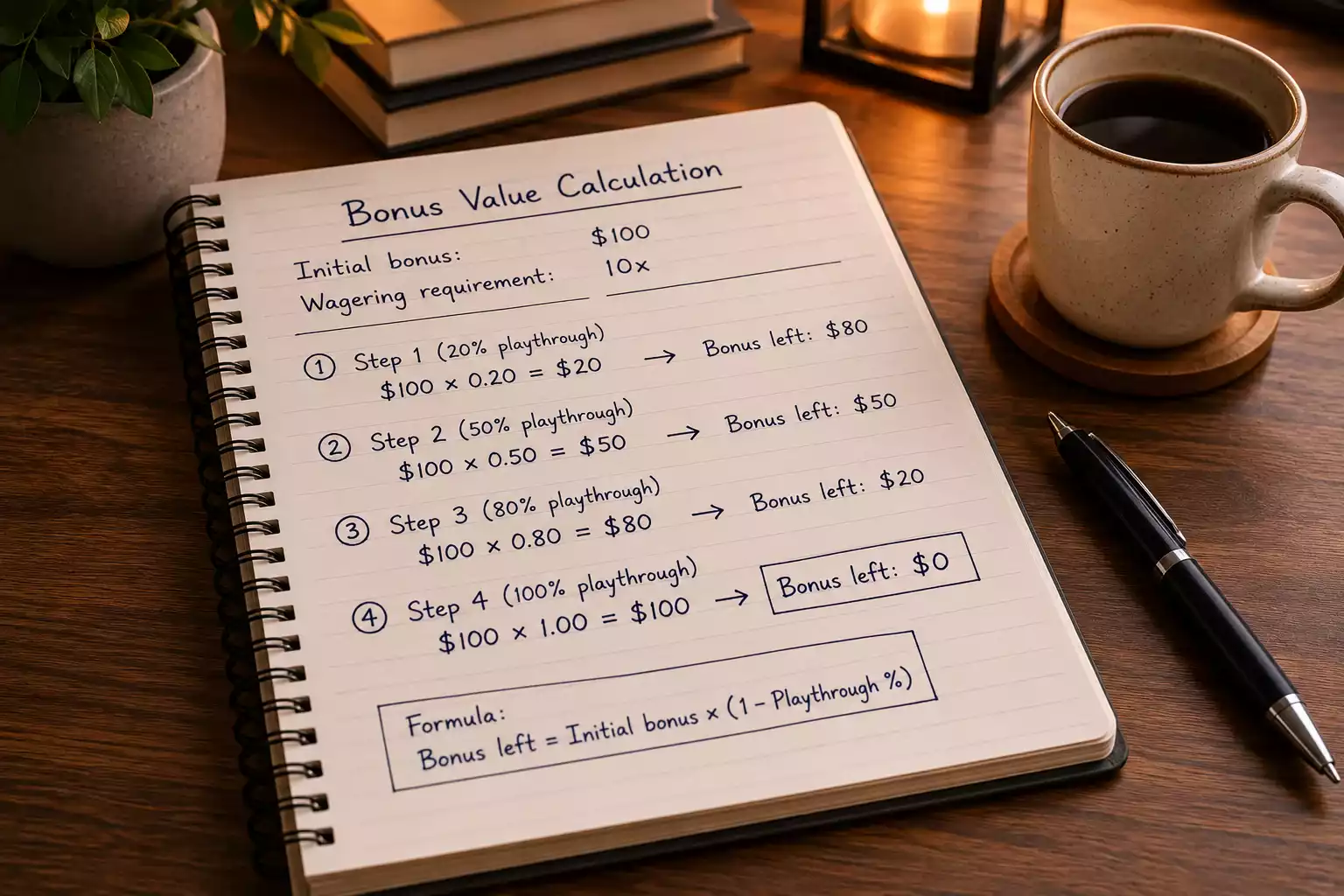
The site’s Curaçao licence places Love Casino in a different regulatory perimeter from UKGC-licensed brands, which means the x10 cap does not apply. Offshore operators typically set their own wagering requirements, and figures of x30 to x50 remain common in that space. Before engaging with any bonus at an offshore site, the calculation above is the one that matters — and it almost always tells the same story.
The offer the playthrough applies to: the welcome bonus.
How Wagering Requirements Actually Work: Game Weighting and Contribution Rates
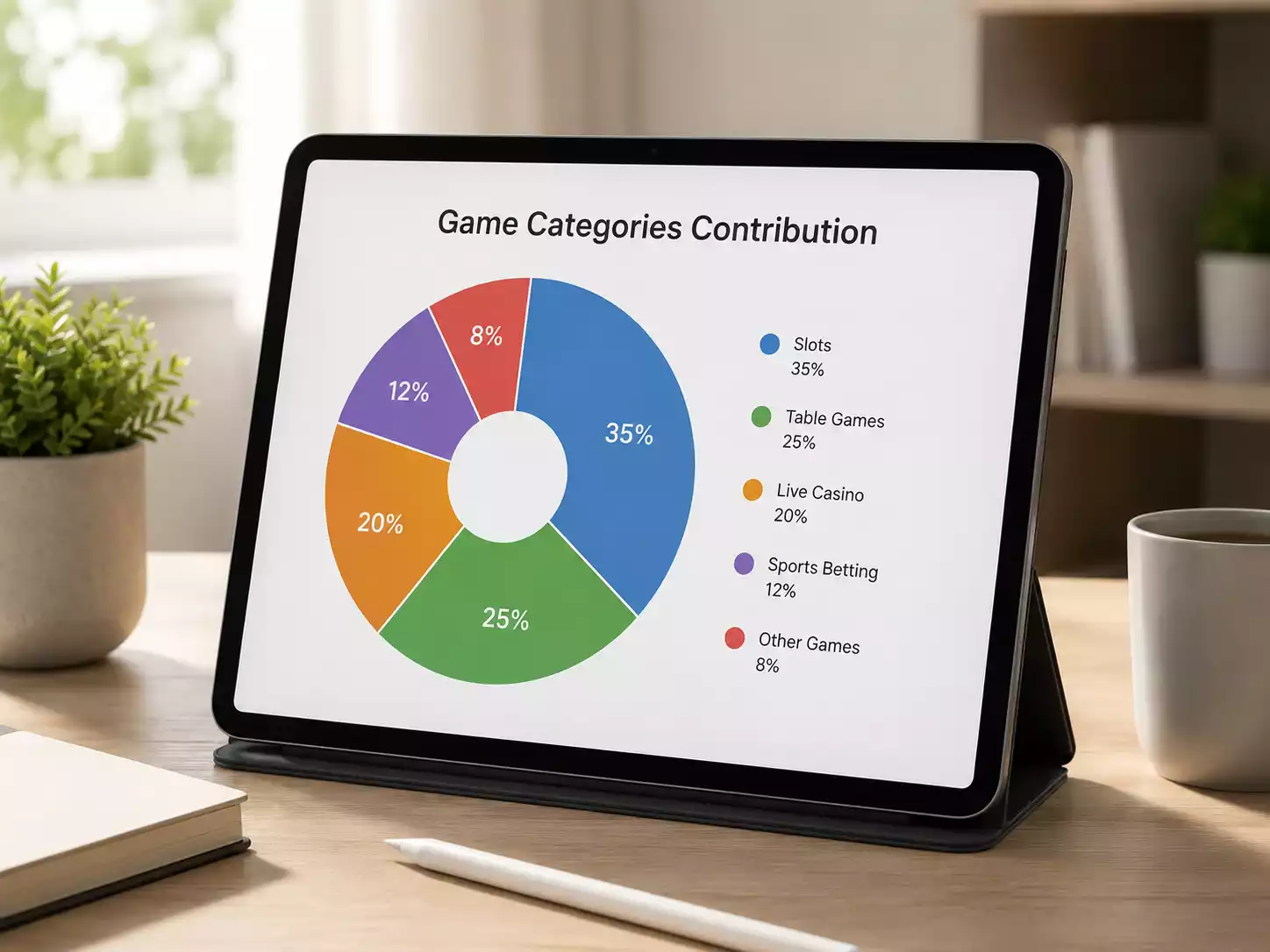
Even the wagering multiplier itself does not tell the full story. What many players overlook is game weighting — the percentage of each wager that counts toward fulfilling the requirement. At most casinos, slots contribute 100%. Table games contribute far less, typically 10-20% for blackjack and roulette. Live dealer games often contribute nothing at all.
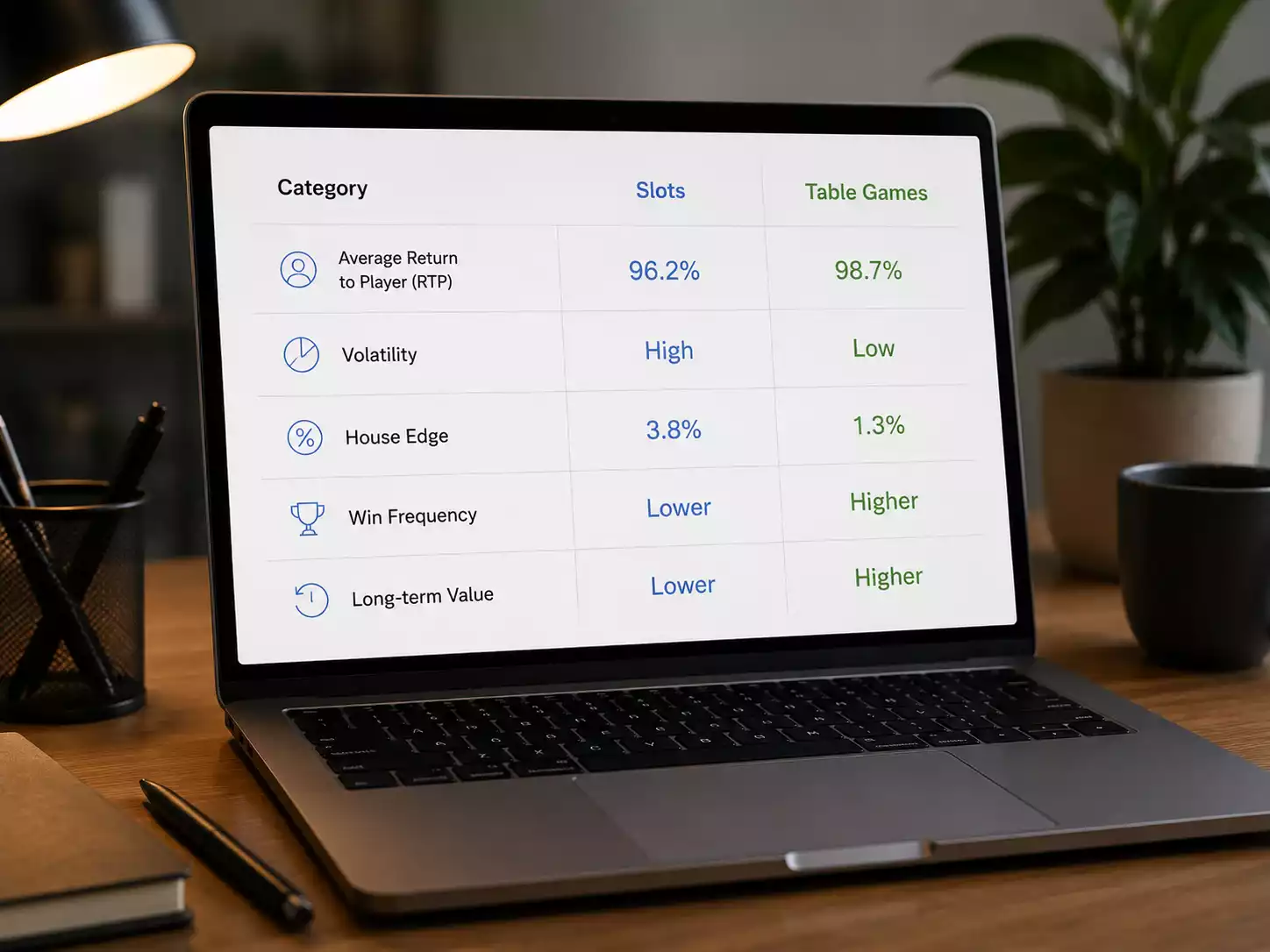
Why does this matter? Because the house edge varies dramatically between game types. Online slots carry a house edge of roughly 4% on average, while basic strategy blackjack runs closer to 0.5%. By weighting slots at 100% and blackjack at 10%, the casino ensures that players clear their requirements on the games where the house keeps the most money. A player trying to clear a x35 wagering requirement on blackjack at 10% contribution would need to wager 350 times the bonus amount on that game alone. At that point, you are not playing with a bonus — you are playing in spite of one.
The average online slot RTP in the UK market sits at 96%, which means a 4% house edge per spin. Over 800 pounds in required wagering on a 20-pound bonus, the expected cost is 32 pounds. The bonus has negative expected value. This is not a controversial claim — it is arithmetic. And the offshore market, where Love Casino operates, generally applies higher wagering multipliers than the post-reform UK market, making the arithmetic even less favourable.
Love Casino’s Bonus Terms in Context
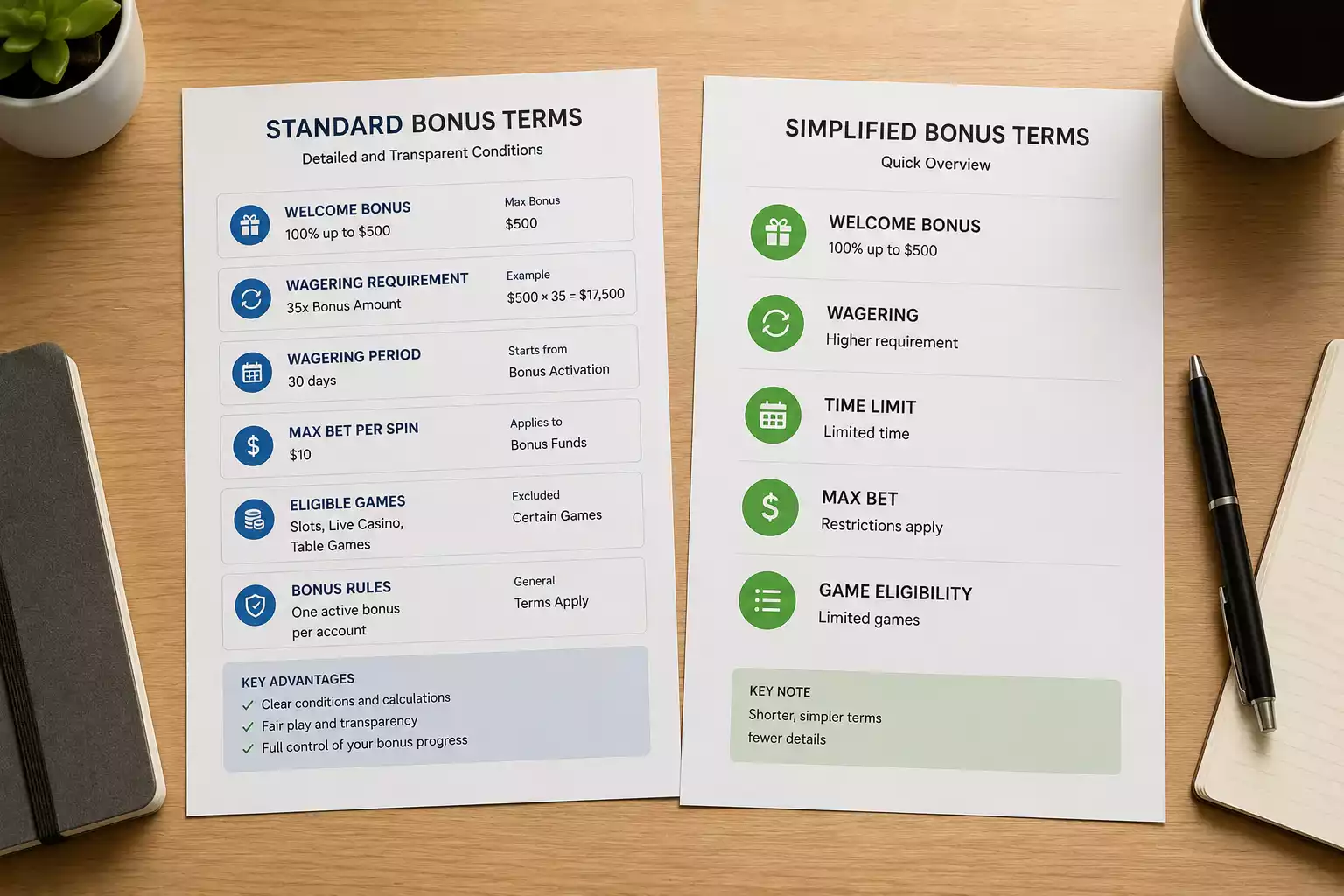
Three years ago, I started collecting bonus terms from offshore operators and comparing them against a standardised expected-value model. The variation is wide, but the pattern is consistent. Offshore sites set wagering requirements that protect their economics while marketing the headline bonus figure as a benefit to the player. The headline number — “100% match up to 500 pounds” — is what draws attention. The wagering requirement buried in the terms and conditions is what determines whether that headline number has any real value.
For Love Casino specifically, the relevant terms include the wagering multiplier, the game weighting table, the maximum bet allowed while a bonus is active, the time limit for clearing the requirement, and the maximum withdrawal from bonus winnings. Each of these conditions independently reduces the expected value of the bonus. Together, they typically eliminate it entirely. The maximum bet limit deserves particular attention — if you wager more than the permitted amount per spin while a bonus is active, most operators will void all bonus winnings. This is the most common reason players lose bonus money at offshore casinos, and it catches people who never read the specific terms.
None of this means bonuses are inherently bad. It means they are a marketing tool, and understanding how no-deposit bonuses work in practice is the difference between informed play and expensive confusion.
What the x10 Cap Tells Us About Fair Terms
The UKGC’s decision to cap wagering requirements at x10 was not arbitrary. The regulator reviewed industry data and concluded that requirements above x10 created conditions where bonuses were, in effect, misleading — the promotional headline bore no meaningful relationship to the actual value a player could expect to receive. Tim Miller, the Gambling Commission’s chief executive, described the pre-reform bonus landscape as “especially insidious” because it combined aggressive marketing with terms that made the marketed benefit effectively unrealisable.
That x10 cap now serves as a useful benchmark for evaluating offshore bonus terms. If Love Casino or any other Curaçao-licensed operator offers a bonus with a x35 wagering requirement, you can assess it against the standard the UK regulator considers fair. The gap between x10 and x35 is not just a number — it is the difference between a bonus that might retain some value and one that almost certainly does not.
UK online gross gambling yield reached 7.8 billion pounds in the year to March 2025, a 13.1% increase year on year. The industry is growing rapidly, and bonuses remain one of the primary acquisition tools driving that growth. For players at offshore sites, the lesson is straightforward: read the full terms, run the expected-value calculation, and treat the bonus for what the maths says it is — not what the marketing says it is.
What is a typical wagering requirement at Love Casino?
Curaçao-licensed operators like Love Casino typically set wagering requirements between x30 and x50, meaning you must wager 30 to 50 times the bonus amount before withdrawing any winnings. The UK Gambling Commission capped this at x10 for UKGC-licensed sites from January 2026, but that cap does not apply to offshore operators.
Do all games contribute equally to wagering requirements?
No. Most casinos weight game contributions differently. Slots usually contribute 100% of each wager toward the requirement, while table games like blackjack and roulette contribute 10-20%. Live dealer games often contribute 0%. This weighting means players effectively clear requirements on high-house-edge games.
Can a casino bonus have negative expected value?
Yes. When the expected loss from fulfilling the wagering requirement exceeds the bonus amount, the bonus has negative expected value. At a x40 requirement on games with a 4% house edge, a 20-pound bonus generates an expected loss of approximately 32 pounds in wagering — meaning you statistically lose more than you receive.
Our top casino picks for the UK
- BeOnBetBonus: 100% up to €500 + 100 FS · Payout speed: 1-3 business days
- AmunbetBonus: Join now and get 450% up to 2,700 GBP + 450 FS · Payout speed: 1-3 business days
- DieselwinBonus: Welcome Pack 250% up to £4000 + 200 FS · Payout speed: 1-3 business days
- SlotoSportBonus: 500% up to £ 10 200+ 777 FS · Payout speed: 1-3 business days
- NightWinBonus: £900 + 400 free spins · Payout speed: 1-3 business days
- SpinFormulaBonus: 550% Up To £15,000 + 550 FS · Payout speed: 1-3 business days
- ZombillionBonus: Welcome Pack 250% up to £4000 + 200 FS · Payout speed: 1-3 business days
- EvoSpinBonus: 125% up to €2500 + 125 Free Spins · Payout speed: 1-3 business days
- x3betBonus: Welcome Pack 100% Up to £1.000 + 200 Free Spins · Payout speed: 1-3 business days