
 Available in GB
Content

VIP Programmes Are Designed to Keep You Playing
A friend who works in casino marketing once told me something that reframed how I think about VIP programmes: “The VIP tier is not a reward for your loyalty. It is a tool for extracting more play.” That distinction — between reward and tool — is the lens through which every VIP programme should be evaluated. Love Casino, like most offshore operators, offers tiered loyalty benefits that increase with play volume. The more you wager, the higher your tier, and the more “benefits” you unlock. The question nobody in marketing wants you to ask is whether those benefits are worth the wagering required to earn them.
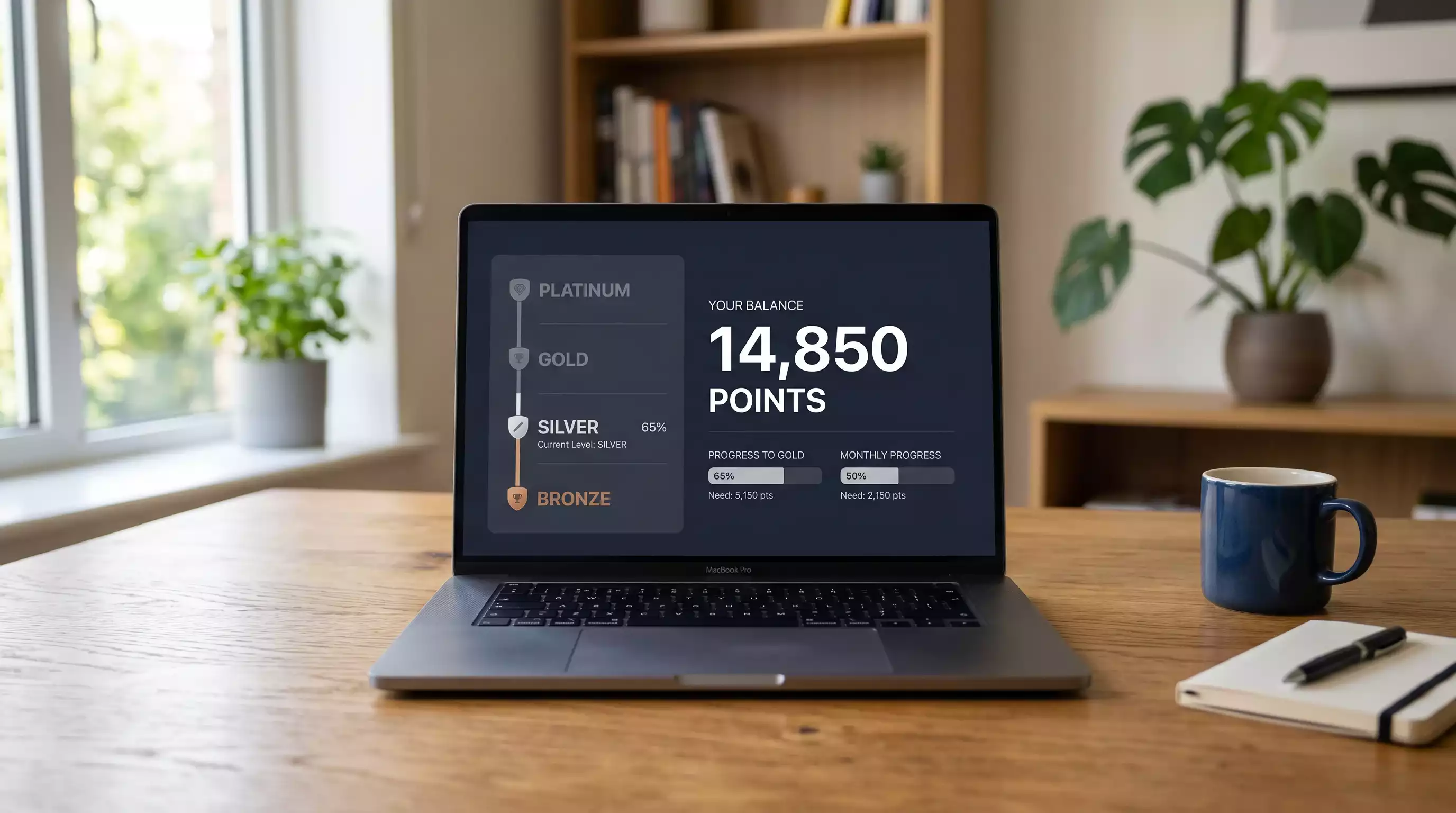
Standard VIP structures at offshore casinos follow a predictable model: points are earned per wager (typically 1 point per 10-20 pounds wagered), accumulated points unlock tier progression, and each tier offers incrementally better benefits — faster withdrawals, higher deposit limits, dedicated account managers, birthday bonuses, cashback on losses. The structure is compelling because it creates sunk-cost psychology: once you have reached a tier, dropping back down feels like losing something, which motivates continued play to maintain status.
The rebate mechanics behind it: the cashback offers.
Cashback Mechanics: What You Actually Receive
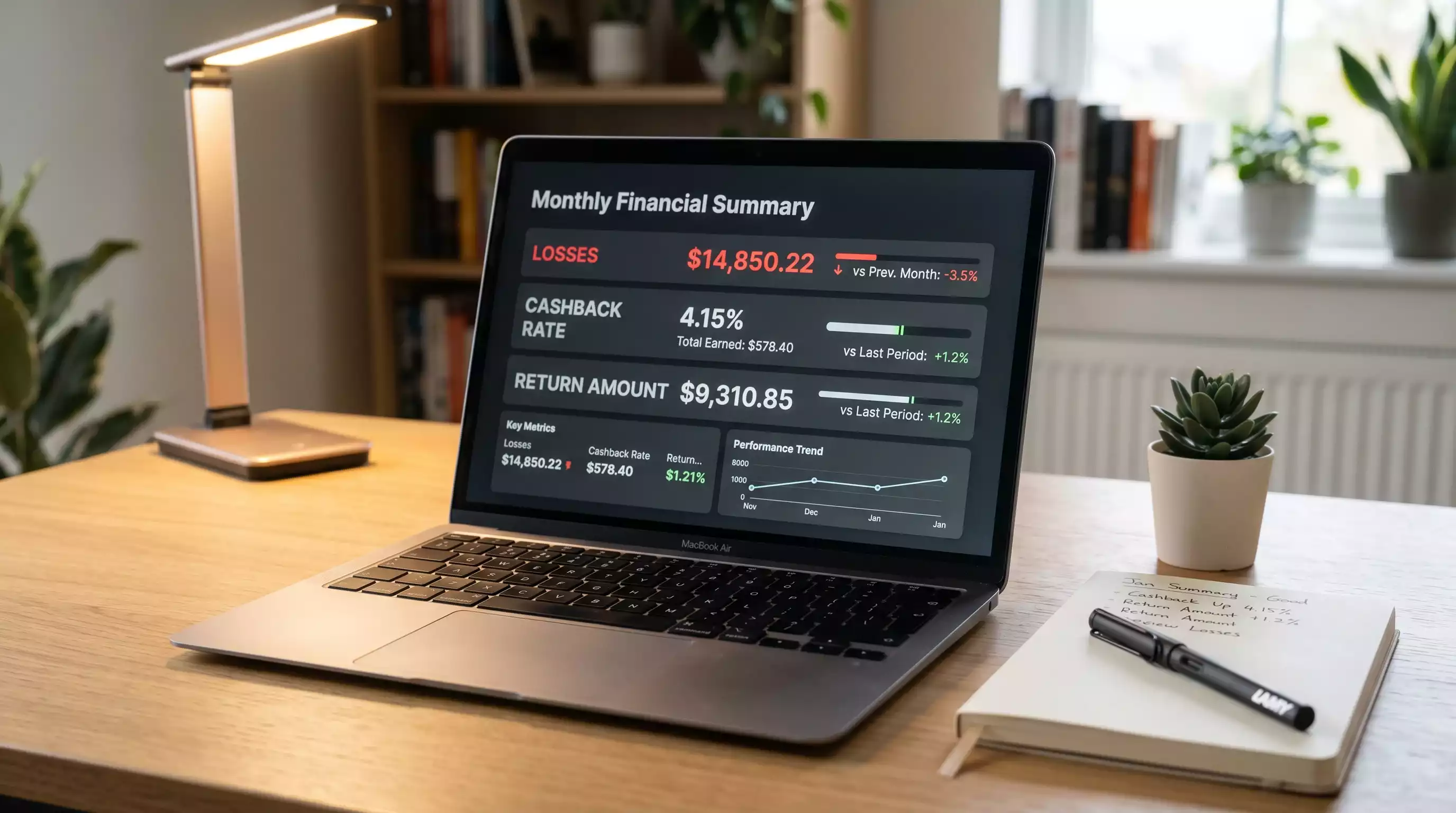
I ran the numbers on a typical offshore VIP cashback structure last quarter. The casino offered 10% cashback on weekly net losses for VIP-tier players. On the surface, that sounds generous — lose 500 pounds, get 50 back. But the cashback was credited as bonus funds with a x10 wagering requirement. At a 4% house edge on slots, that x10 requirement on the 50-pound cashback generates an expected additional loss of 20 pounds. The real cashback is not 10% — it is closer to 6% after you account for the cost of clearing the requirement.
Some operators offer “real money” cashback without wagering requirements, but this is rare in the offshore market and typically reserved for the highest VIP tiers — players wagering tens of thousands of pounds per month. At those volumes, the absolute value of the cashback is meaningful, but the absolute losses required to earn it are far larger. A player wagering 50,000 pounds per month at a 4% expected house edge loses 2,000 pounds. A 10% real-money cashback returns 200 pounds of that — but only if the player actually experienced net losses. In months where variance swings positive, no cashback is paid. The structure is asymmetric: you absorb all the upside risk, the casino absorbs some of the downside.
21.9% of adults aged 18-24 in the UK show indicators of gambling-related harm on the Problem Gambling Severity Index. VIP programmes disproportionately affect high-frequency players, and the UKGC has specifically targeted VIP schemes in its regulatory reforms, requiring licensed operators to conduct enhanced due diligence on VIP customers and ensure that VIP incentives do not encourage unsustainable play. At offshore operators like Love Casino, these requirements do not apply.
Tier Requirements and the Treadmill Effect
Most VIP programmes reset tier status periodically — monthly or quarterly. This means the wagering you did last month does not carry forward; you must maintain your volume to keep your tier. The design is deliberate. A monthly reset creates a recurring deadline that pushes players to maintain or increase their wagering pace. Miss a month, drop a tier, lose your benefits. The psychology is identical to loyalty programmes in other industries — airline frequent flyer miles, hotel reward tiers — but with a critical difference: at a casino, maintaining your tier requires spending money at a negative expected return.
Love Casino’s specific tier structure, reset periods, and point-to-tier conversion rates determine how much wagering is required to reach and maintain each level. Before pursuing any VIP tier, calculate the total wagering needed, multiply by the expected house edge on the games you play, and compare the resulting expected loss against the cash value of the benefits at that tier. If the benefits are worth less than the expected cost of earning them — and in my analysis, they almost always are — the VIP programme is a net negative for the player.

Dedicated Account Managers and the Personal Touch
At the highest VIP tiers, offshore casinos assign dedicated account managers who communicate via personal email, messaging apps, or phone. These managers offer personalised bonuses, expedited withdrawals, and event invitations. The relationship feels exclusive and personal. It is also, structurally, a retention tool designed to reduce churn among high-value players.
The UKGC’s 2025 enforcement actions included specific scrutiny of VIP management practices at licensed operators. The regulator found instances where VIP managers had continued to offer incentives to players showing signs of harm — increasing session lengths, escalating stakes, erratic deposit patterns. The regulatory response was to require enhanced affordability checks and mandatory interaction triggers for VIP customers. At Love Casino, operating under Curaçao licensing, the responsible gambling framework does not include these mandatory checks. The VIP manager’s role is player retention, and the guardrails on that role are set by the operator, not by a regulator with enforcement powers.
UK online gambling revenue reached 7.8 billion pounds in the year to March 2025. VIP players contribute disproportionately to that figure. The industry knows exactly how much each VIP tier is worth in lifetime player value, and the benefits offered at each tier are calibrated to be less than that value. VIP programmes are profitable for the casino precisely because they cost the casino less than they earn. That is not a criticism — it is the business model. Understanding it is the minimum requirement for making informed decisions about whether a VIP programme serves your interests or the operator’s.

Is the Love Casino VIP programme worth joining?
VIP programmes are structured so that the benefits at each tier cost the casino less than the wagering revenue required to reach that tier. Before pursuing VIP status, calculate the total wagering needed, multiply by the expected house edge on your preferred games, and compare that expected loss against the cash value of the VIP benefits. In most cases, the expected cost exceeds the benefit value.
How does VIP cashback work at offshore casinos?
VIP cashback typically returns a percentage of weekly or monthly net losses. However, cashback is often credited as bonus funds with wagering requirements rather than real money, which reduces its actual value. A 10% cashback with a x10 wagering requirement at a 4% house edge delivers roughly 6% effective return, not the headline 10%.
Love Casino Guides and UK Analysis
Our top casino picks for the UK
- BeOnBetBonus: 100% up to €500 + 100 FS · Payout speed: 1-3 business days
- AmunbetBonus: Join now and get 450% up to 2,700 GBP + 450 FS · Payout speed: 1-3 business days
- DieselwinBonus: Welcome Pack 250% up to £4000 + 200 FS · Payout speed: 1-3 business days
- SlotoSportBonus: 500% up to £ 10 200+ 777 FS · Payout speed: 1-3 business days
- NightWinBonus: £900 + 400 free spins · Payout speed: 1-3 business days
- SpinFormulaBonus: 550% Up To £15,000 + 550 FS · Payout speed: 1-3 business days
- ZombillionBonus: Welcome Pack 250% up to £4000 + 200 FS · Payout speed: 1-3 business days
- EvoSpinBonus: 125% up to €2500 + 125 Free Spins · Payout speed: 1-3 business days
- x3betBonus: Welcome Pack 100% Up to £1.000 + 200 Free Spins · Payout speed: 1-3 business days