
 Available in GB
Content

UK Gambling Laws Are Tightening — Why That Matters for Love Casino Users
I have watched UK gambling regulation evolve from the relatively permissive 2005 Gambling Act framework to the tightest set of controls in any major regulated market. The pace of change accelerated sharply in 2025 and 2026, and the cumulative effect reshapes every aspect of how online casinos operate in Britain — or, in Love Casino’s case, how they operate outside Britain while serving British players.
The headline measures are now in force: a five-pound maximum stake on online slots for all adults, reduced to two pounds for players aged 18-24. A near-doubling of Remote Gaming Duty from 21% to 40%. A mandatory statutory gambling levy replacing the voluntary industry funding model. And a x10 cap on bonus wagering requirements that has fundamentally altered the economics of casino promotions. Each of these measures was designed to reduce gambling harm among UK players at UKGC-licensed operators. But there is a secondary effect that regulators are acutely aware of: every restriction on the licensed market creates a marginal incentive for players to seek out unlicensed alternatives.

Love Casino, holding a Curaçao licence and operating outside GamStop, sits precisely in that space. It is not bound by the five-pound stake limit, the x10 wagering cap, or the enhanced affordability checks that UKGC licensees must now conduct. For some players, that is the attraction. For regulators, it is the problem.
The tax half of the same reform: UK gambling tax 2026.
Our top casino picks for the UK
- BeOnBetBonus: 100% up to €500 + 100 FS · Payout speed: 1-3 business days
- AmunbetBonus: Join now and get 450% up to 2,700 GBP + 450 FS · Payout speed: 1-3 business days
- DieselwinBonus: Welcome Pack 250% up to £4000 + 200 FS · Payout speed: 1-3 business days
- SlotoSportBonus: 500% up to £ 10 200+ 777 FS · Payout speed: 1-3 business days
- NightWinBonus: £900 + 400 free spins · Payout speed: 1-3 business days
- SpinFormulaBonus: 550% Up To £15,000 + 550 FS · Payout speed: 1-3 business days
- ZombillionBonus: Welcome Pack 250% up to £4000 + 200 FS · Payout speed: 1-3 business days
- EvoSpinBonus: 125% up to €2500 + 125 Free Spins · Payout speed: 1-3 business days
- x3betBonus: Welcome Pack 100% Up to £1.000 + 200 Free Spins · Payout speed: 1-3 business days
The Five-Pound Online Slots Stake Limit: Impact on Sessions and Revenue
When the five-pound stake limit went live in April 2025, every industry analyst I spoke to predicted the same thing: session lengths would drop, but operators would adapt. The data confirmed the first part — sessions lasting over one hour fell by 16% in Q3 2025/26, and average session duration shrank by two minutes to 16 minutes. Players were spending less time per sitting, particularly on high-volatility slots where the reduced stake fundamentally changes the risk-reward profile.
What surprised many observers was the revenue side. GGY from online slots actually rose 10% to 788 million pounds in Q3 2025/26 — a new quarterly record. More players, shorter sessions, but higher aggregate revenue. The stake limit appears to have expanded the player base by making slots feel less risky for casual participants, even as it constrained high-stakes play. The two-pound cap for 18-24 year olds further sharpened this effect for the demographic where 21.9% show PGSI problem gambling indicators.
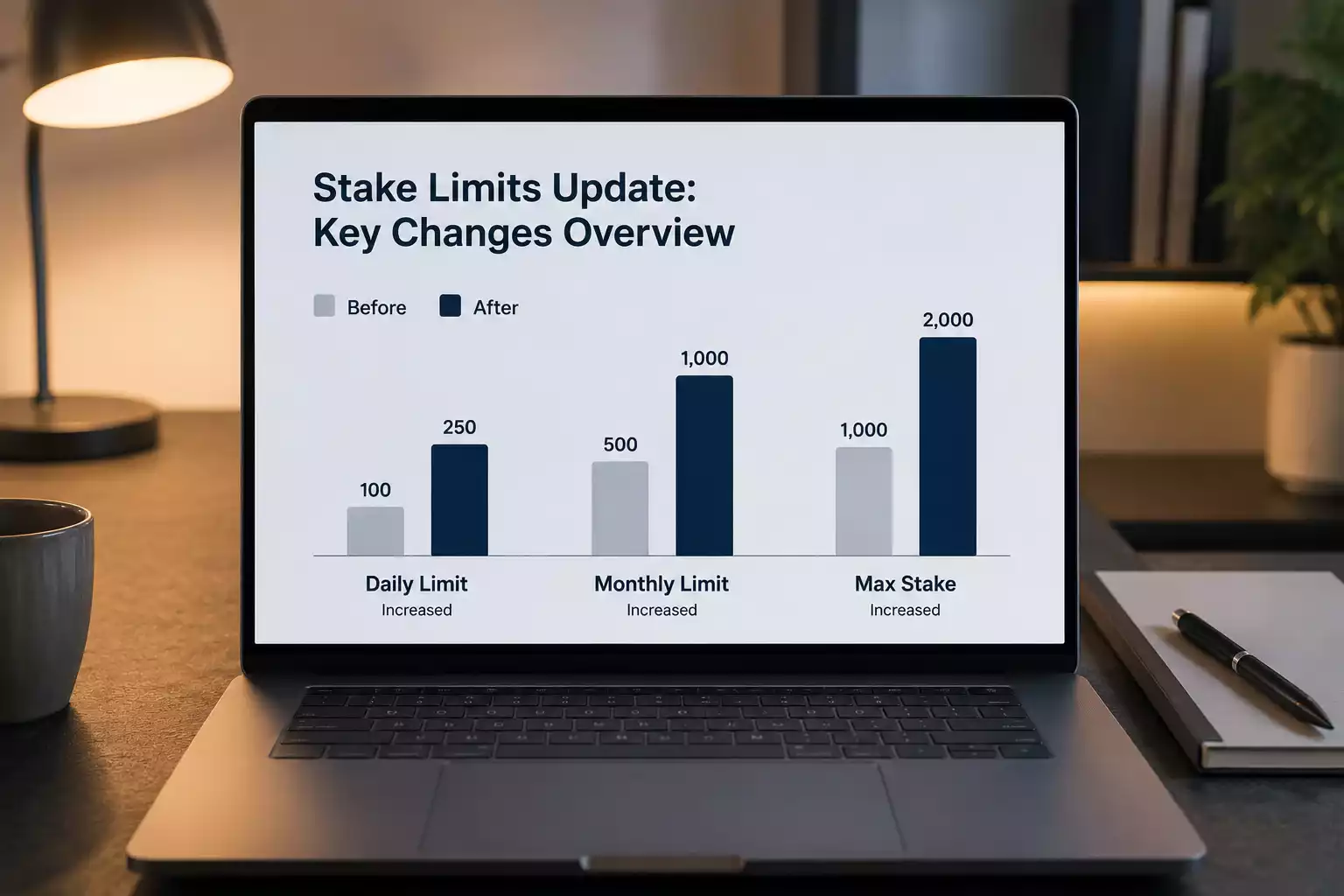
For Love Casino users, the relevance is indirect but real. The stake limit applies only to UKGC-licensed operators. At Love Casino, a player can wager 50, 100, or 500 pounds per spin with no regulatory ceiling. That absence of constraint is either a feature or a risk factor, depending on your perspective — and depending on your relationship with gambling. The stake limit exists because evidence showed that unrestricted stakes correlated with higher harm. Removing yourself from that protective framework is a choice with measurable consequences.
The two-pound cap for younger adults deserves specific attention. The Gambling Commission’s data shows that 8% of UK youth engaged in online gambling in the past twelve months, and 49% are exposed to gambling advertising weekly through social media. The reduced stake for this age group was a targeted intervention. At offshore casinos, no equivalent protection exists, and age verification standards are typically less rigorous than what the UKGC mandates.

Remote Gaming Duty at 40% and the New Statutory Gambling Levy
The November 2025 Budget contained the number that made every UKGC-licensed operator recalculate their margins: Remote Gaming Duty rising from 21% to 40%, with General Betting Duty climbing from 15% to 25%. Those are not incremental adjustments. They are structural shifts that change the economics of operating a licensed online casino in the UK.
A 40% RGD means that for every pound of gross gaming yield a licensed operator earns, 40 pence goes to the Exchequer. That leaves dramatically less room for promotional generosity, customer acquisition spending, and operational investment. The downstream effects for players at licensed casinos include tighter bonus terms, smaller promotional offers, and potentially reduced game catalogues as operators trim costs. Some analysts predict consolidation in the licensed market, with smaller operators unable to absorb the tax burden.
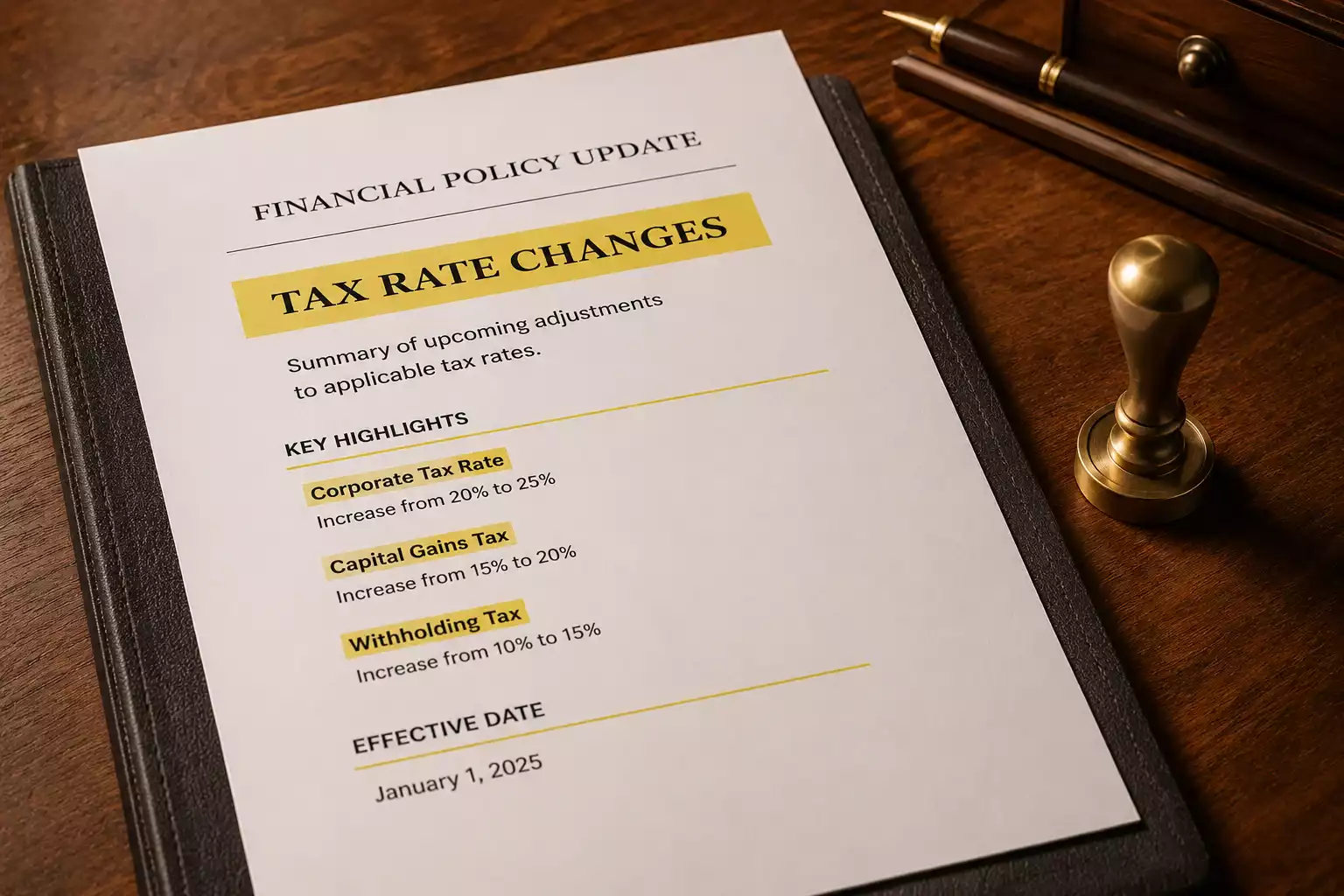
Love Casino, operating offshore, does not pay UK Remote Gaming Duty. That tax differential is significant — it means offshore operators can theoretically offer more generous bonuses and higher payouts than their UKGC-licensed competitors, because their tax burden is lower. Whether Love Casino actually passes that advantage to players or simply captures it as margin is an empirical question, and one that the operator’s bonus terms and RTP configuration would answer.
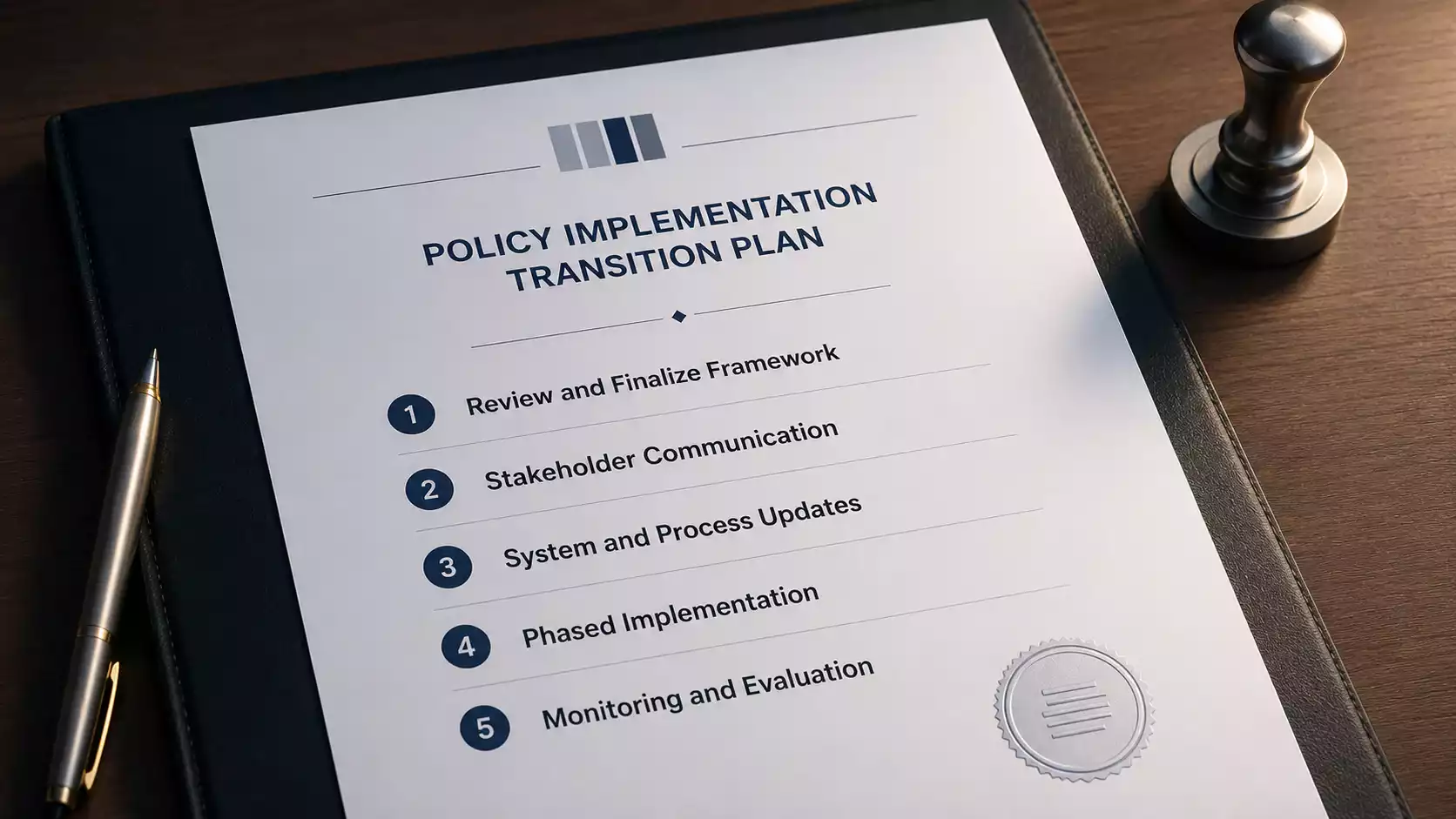
The statutory gambling levy, introduced in April 2026, replaced the voluntary funding model that had sustained GambleAware and other gambling harm research and treatment organisations. GambleAware itself ceased operations on 31 March 2026, with its functions transitioning to government-appointed commissioners. The levy applies to UKGC-licensed operators and is ring-fenced for harm prevention, research, and treatment. Offshore operators like Love Casino are not subject to this levy — which means they benefit from the UK market without contributing to the system designed to mitigate the harm that gambling causes.

That asymmetry — benefiting from UK player demand while avoiding UK regulatory costs — is at the heart of the regulatory tension around offshore casinos. Tim Miller, Executive Director of the Gambling Commission, has been explicit about the Commission’s intention to make working with unlicensed operators “commercially toxic.” The 26 million pounds in additional enforcement funding allocated over three years is the operational translation of that intention. For players considering Love Casino, understanding the Curaçao licence landscape in this regulatory context is essential to informed decision-making.
Does the five-pound stake limit apply to Love Casino if it is not UKGC-licensed?
No. The five-pound online slots stake limit and the two-pound cap for 18-24 year olds apply only to operators licensed by the UK Gambling Commission. Love Casino operates under a Curaçao licence and is not bound by these restrictions. Players at Love Casino can wager at stakes that would not be permitted at UKGC-licensed sites.
How does the 40% Remote Gaming Duty affect player payouts?
The 40% RGD applies to UKGC-licensed operators’ gross gaming yield. This increased tax burden reduces the margin available for bonuses, promotions, and operational costs at licensed casinos. Offshore operators like Love Casino do not pay UK RGD, which theoretically allows them more room for player incentives — though whether this translates to better terms depends on the individual operator’s pricing decisions.
What is the UK statutory gambling levy introduced in April 2026?
The statutory gambling levy replaced the voluntary industry funding model and applies to UKGC-licensed operators. Revenue from the levy is ring-fenced for gambling harm research, prevention, and treatment, managed by government-appointed commissioners rather than the now-closed GambleAware. Offshore operators like Love Casino are not subject to this levy.