
 Available in GB
Content
Your Account Is Worth More Than Your Balance
A colleague of mine had his offshore casino account compromised in 2024. The attacker did not steal his £300 balance — they used his verified account to launder funds. Deposits arrived from stolen payment methods, bets were placed and lost deliberately, and within 48 hours the account had processed over £12,000 in transactions that my colleague knew nothing about until his bank flagged the activity. The balance theft was trivial; the identity exposure was the real damage.
Online casino accounts contain a remarkable concentration of sensitive data: full legal name, date of birth, residential address, email, phone number, and — if KYC has been completed — copies of government-issued identification documents. At UKGC-licensed operators, this data is governed by UK data protection law and the Information Commissioner’s Office. At Curaçao-licensed operators like Love Casino, UK data protection standards apply in theory to UK residents but enforcement across jurisdictions is functionally difficult. The 397,527 gambling URLs the UKGC flagged for removal in financial year 2024–25 included sites where player data protection fell well below UK standards.
Where your documents end up: the KYC process.
Passwords and Authentication in Practice
What does your casino password look like? If you are reusing a password from another service — and studies consistently show that over 60% of people do — your casino account is only as secure as the weakest site sharing that password. A data breach at an unrelated service hands attackers a credential that opens your casino account, your verified identity documents, and potentially your linked payment methods.
The fix is unglamorous but effective: use a unique, randomly generated password for every casino account, stored in a password manager. The password itself should be at least 16 characters and include a mix of letters, numbers, and symbols. This is not paranoia; it is basic operational security that costs nothing and eliminates the most common attack vector against online accounts.
Two-factor authentication — where logging in requires both your password and a code from your phone — is the single most effective security measure available to you. If Love Casino offers it, enable it immediately. If it does not, that absence tells you something about the operator’s security priorities. Every UKGC-licensed casino of any significant size offers two-factor authentication. Its absence at an offshore operator is not a feature gap; it is a security red flag.
The KYC Data Question
I have reviewed hundreds of KYC processes across different operators, and the data collection is remarkably consistent: passport or driving licence, proof of address, sometimes a selfie holding your ID. What varies enormously is what happens to that data after verification. UKGC-licensed operators must comply with GDPR, maintain documented data retention policies, and submit to ICO oversight. The KYC verification guide walks through what to expect during the process, but the question I want you to consider here is what happens to your documents after submission.
At a Curaçao-licensed casino, your passport scan sits on servers governed by Curaçao’s data protection framework, which lacks the enforcement mechanisms of GDPR. If the operator is breached, your identity documents are exposed in a jurisdiction where the regulatory response may be slower, less resourced, and less oriented toward individual redress than what the ICO would deliver. This is not hypothetical: offshore casino data breaches have occurred, and the affected players had limited recourse through the operator’s home jurisdiction.
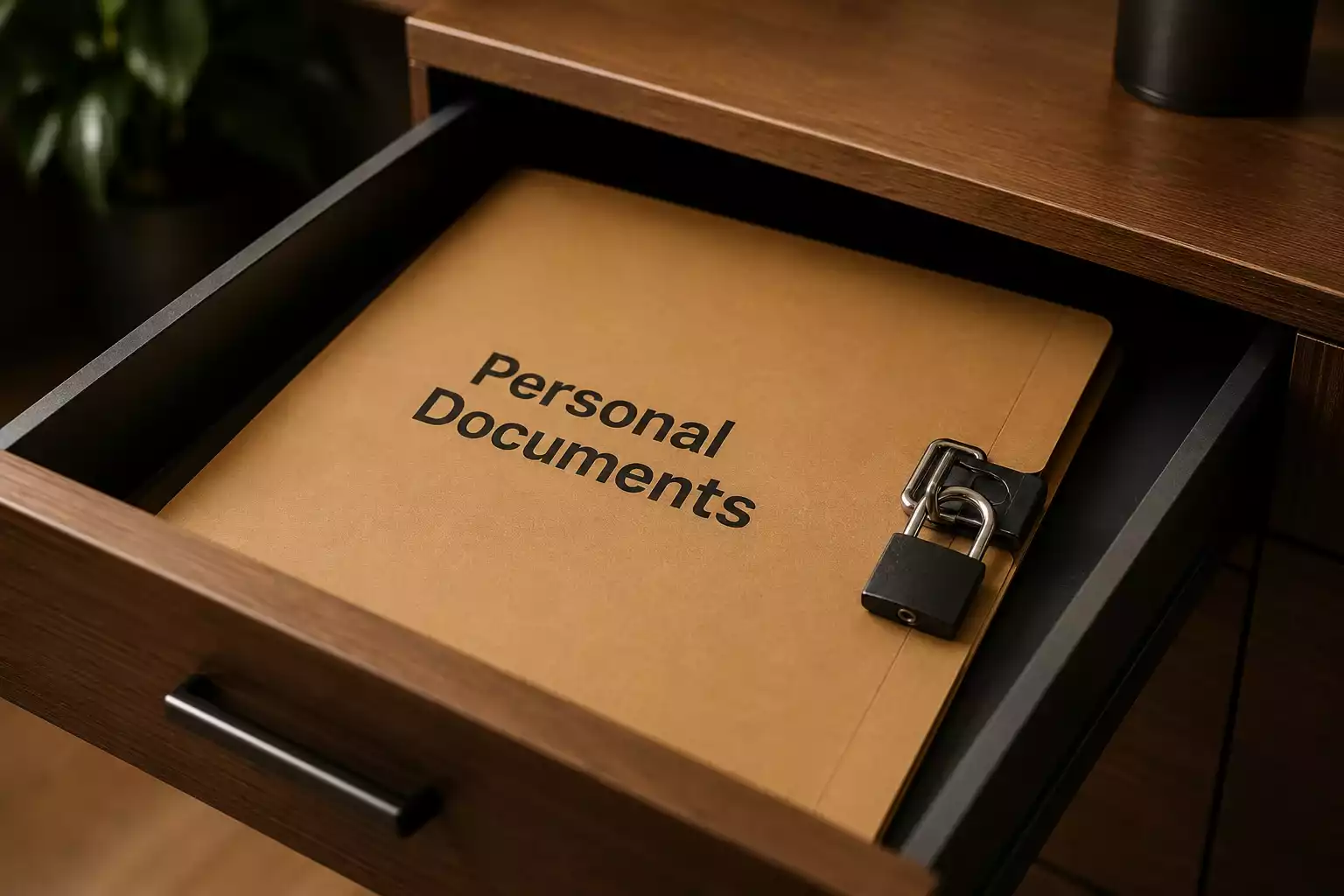
Practical mitigation starts before you submit documents. Watermark your ID scans with the casino’s name and the date — a visible text overlay that reads “For Love Casino verification only — May 2026.” This does not prevent the image from being stored, but it makes the document less useful for identity fraud if it is leaked, because the watermark identifies it as a casino verification document rather than a clean ID scan. Obscure any information on the document that the casino does not need — your driving licence number, for instance, if only your name and address are required for verification.
Payment Method Security
The payment methods you link to a casino account create a financial connection that persists beyond individual transactions. A stored card, a linked e-wallet, a connected bank account — each represents ongoing access that survives password changes, session timeouts, and even account closures. Crypto wager volume reached £26 billion in Q1 2025 alone, partly because cryptocurrency payments create less persistent financial exposure than traditional banking methods. A Bitcoin deposit does not leave a stored payment method on the casino’s servers.
If you use traditional payment methods at Love Casino, treat the security of those methods as a separate concern from account security. Use a dedicated e-wallet funded with only the amount you intend to deposit, rather than linking your primary bank card. Prepaid cards offer another isolation layer — a card with a fixed balance limits your maximum exposure to that balance, regardless of what happens to the casino account.
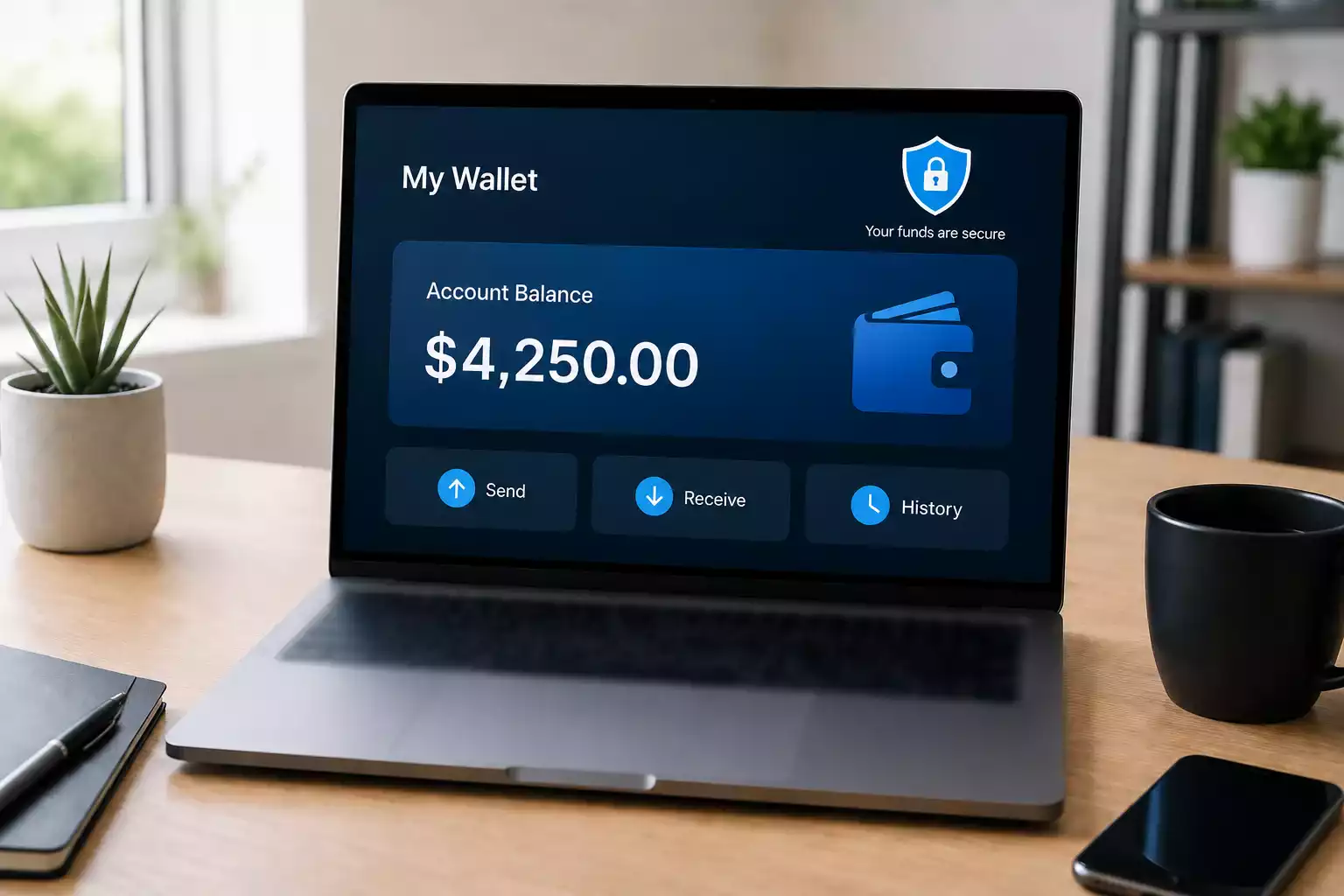
Check your linked payment methods periodically and remove any you are not actively using. Some casinos retain stored payment details even after you delete them from your visible account settings, so verify with customer support that removal is complete. The growing share of wagers placed via cryptocurrency — variously estimated between 5% and 30% of online wagering depending on the source and scope — reflects, in part, a growing player awareness that traditional payment method storage at offshore casinos carries non-trivial security risk.
Session Security and Device Hygiene
I once helped a friend troubleshoot a casino login issue and discovered he had been playing on public Wi-Fi at his local cafe for months. No VPN, no HTTPS verification, no awareness that every login credential and every transaction was potentially visible to anyone on that network. Public Wi-Fi and casino accounts are a combination that should concern you deeply.
Always verify that the casino site uses HTTPS — the padlock icon in your browser’s address bar. Log out explicitly after every session rather than simply closing the browser tab. Clear your browser’s saved passwords and autofill data for casino sites, relying on your password manager instead. If you play on mobile, enable device-level authentication — fingerprint, face recognition, or PIN — so that your phone itself becomes a security barrier if lost or stolen.
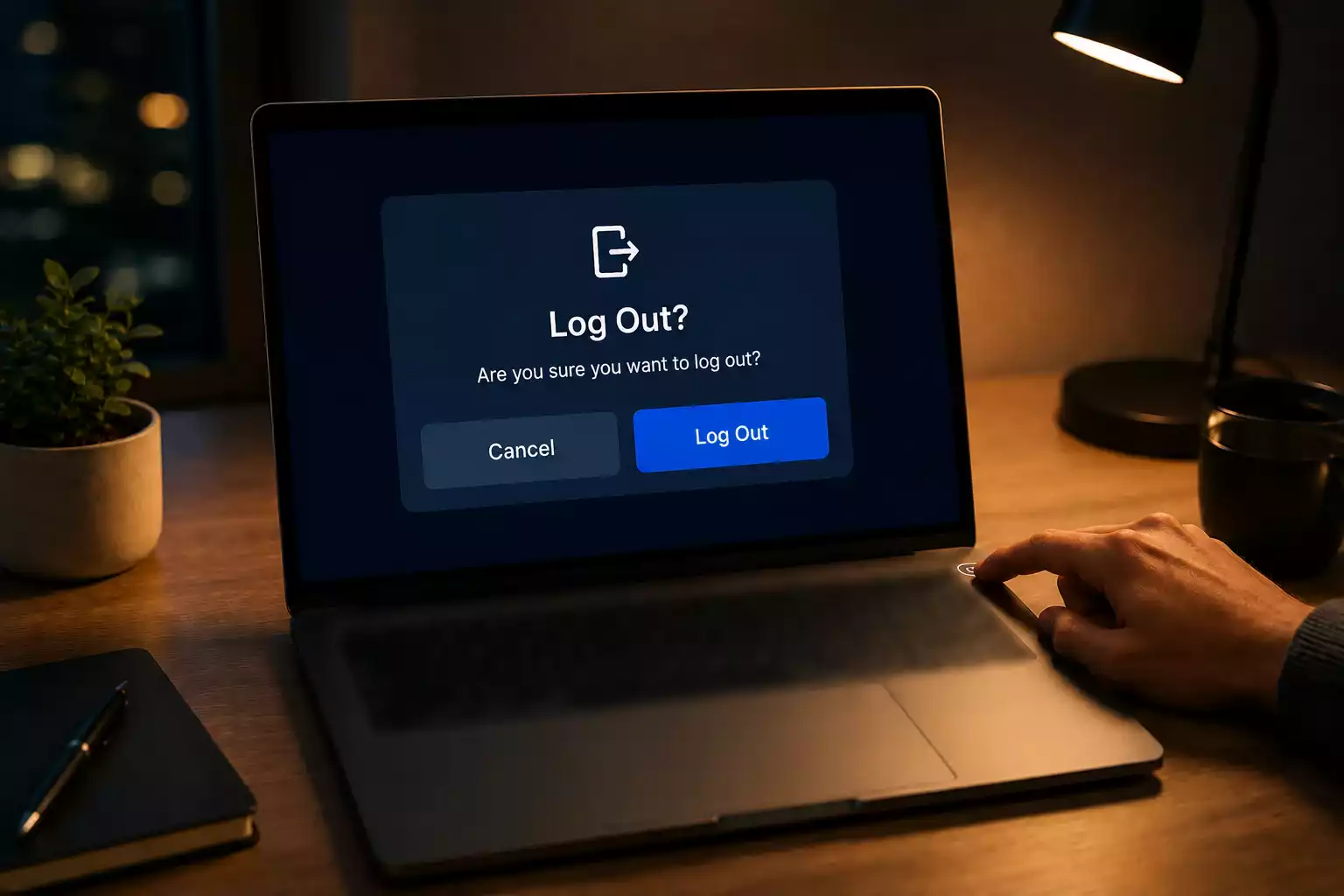
Session timeouts are a security feature, not an annoyance. If Love Casino logs you out after a period of inactivity, that is protective behaviour that limits the window during which an unattended device can be used to access your account. If the casino does not enforce session timeouts, set a reminder to log out manually — particularly if you play on shared or portable devices.
Recognising Social Engineering Attacks
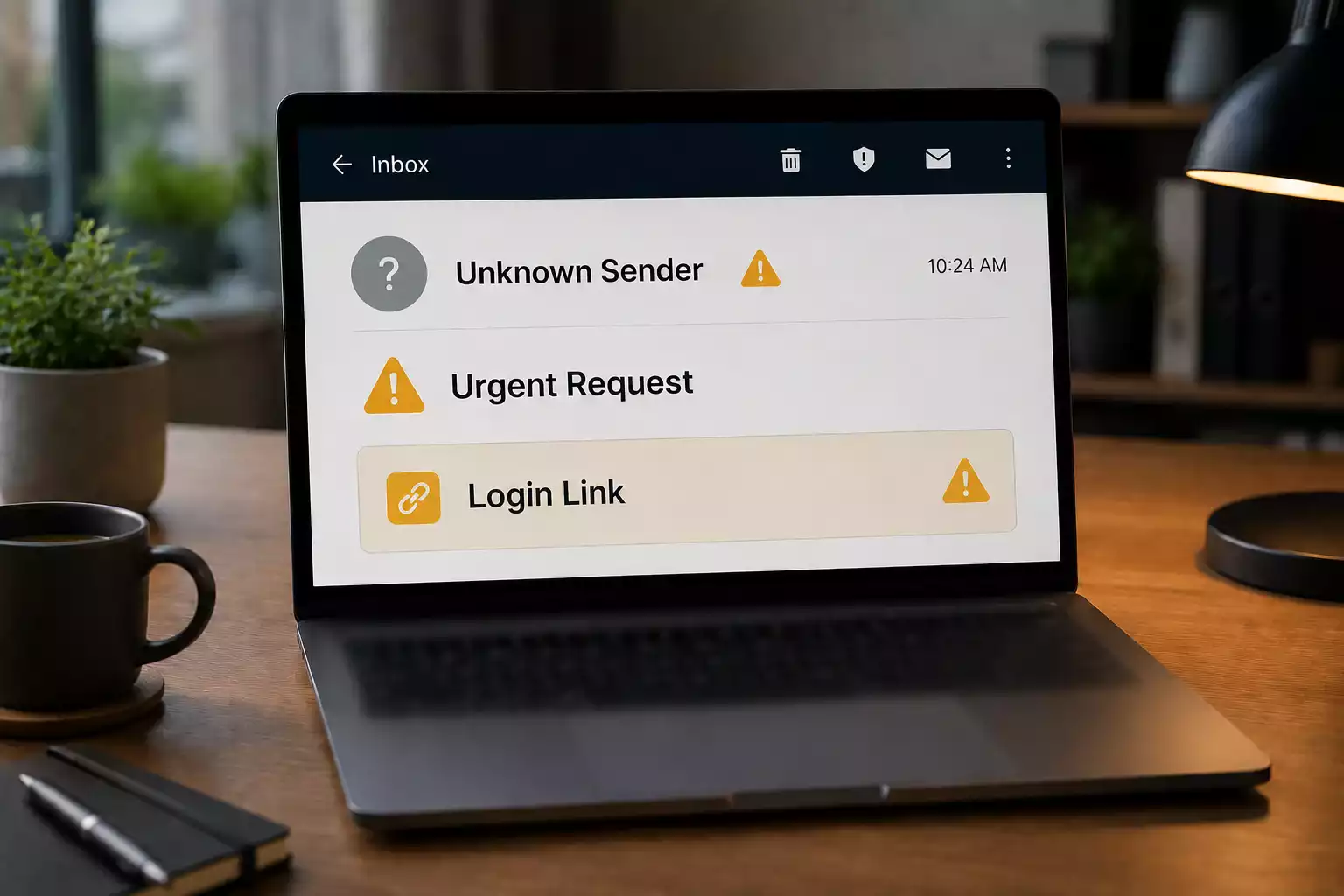
The most sophisticated attacks against casino accounts do not target technology; they target people. Social engineering — phishing emails, fake support messages, impersonation of casino staff — exploits trust rather than technical vulnerabilities, and casino players are particularly attractive targets because they have verified accounts with linked payment methods.
No legitimate casino will ever ask for your password via email, live chat, or phone. No legitimate casino will send you a link asking you to “verify your account” by entering your login credentials on an external page. If you receive communication that appears to be from Love Casino asking for sensitive information, navigate to the site directly through your browser rather than clicking any link in the message. The UKGC has delivered 741 cease-and-desist and disruption notices against operators in financial year 2024–25, and phishing sites impersonating offshore casinos are part of the wider ecosystem that enforcement targets.
Should I enable two-factor authentication at Love Casino?
If two-factor authentication is available, enable it. It is the most effective single measure you can take to protect your account from unauthorised access. Its absence at any casino should be considered a security concern.
How do I protect my identity documents during KYC?
Watermark your ID scans with the casino name and date before submitting them. Obscure information the casino does not need for verification, such as licence numbers or details beyond name and address. This reduces the risk if documents are leaked in a data breach.
Is cryptocurrency more secure for casino deposits?
Cryptocurrency deposits create less persistent financial exposure because they do not leave stored payment method details on the casino’s servers. However, crypto transactions are irreversible, so you lose the chargeback protection available with card payments.
Love Casino Guides and UK Analysis
Our top casino picks for the UK
- BeOnBetBonus: 100% up to €500 + 100 FS · Payout speed: 1-3 business days
- AmunbetBonus: Join now and get 450% up to 2,700 GBP + 450 FS · Payout speed: 1-3 business days
- DieselwinBonus: Welcome Pack 250% up to £4000 + 200 FS · Payout speed: 1-3 business days
- SlotoSportBonus: 500% up to £ 10 200+ 777 FS · Payout speed: 1-3 business days
- NightWinBonus: £900 + 400 free spins · Payout speed: 1-3 business days
- SpinFormulaBonus: 550% Up To £15,000 + 550 FS · Payout speed: 1-3 business days
- ZombillionBonus: Welcome Pack 250% up to £4000 + 200 FS · Payout speed: 1-3 business days
- EvoSpinBonus: 125% up to €2500 + 125 Free Spins · Payout speed: 1-3 business days
- x3betBonus: Welcome Pack 100% Up to £1.000 + 200 Free Spins · Payout speed: 1-3 business days