
 Available in GB
Content
What “Provably Fair” Actually Means — and What It Does Not
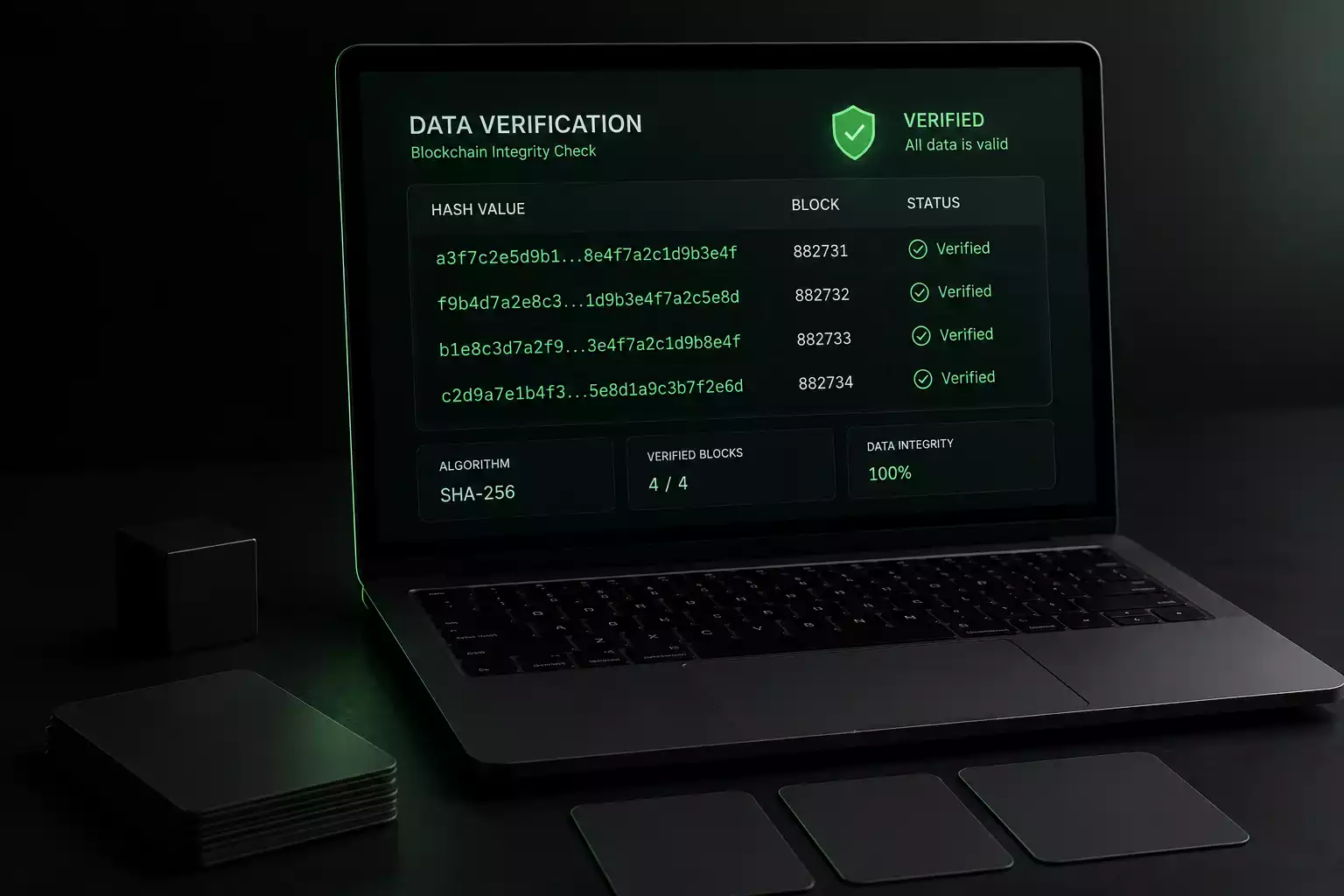
The first time I verified a provably fair game outcome, I spent twenty minutes with a SHA-256 hash calculator confirming that the server seed, client seed, and nonce produced the result displayed on screen. It matched. That single verification told me that one specific outcome in one specific game was not tampered with after my bet was placed. It told me nothing about the other thousand outcomes I had not verified, nothing about whether the game’s payout structure was fair in aggregate, and nothing about whether the underlying algorithm was designed to produce outcomes consistent with the stated odds.
Provably fair is a cryptographic verification method that allows players to confirm, after the fact, that a game result was determined before the bet was placed and was not altered. The mechanism uses a combination of a server seed (chosen by the casino), a client seed (chosen by or visible to the player), and a nonce (the bet number). These inputs are hashed together to produce the game outcome. The server seed is hashed and shown to the player before the bet, so the casino cannot change it after the outcome is known. After the round, the unhashed server seed is revealed, allowing the player to verify that the hash matches.
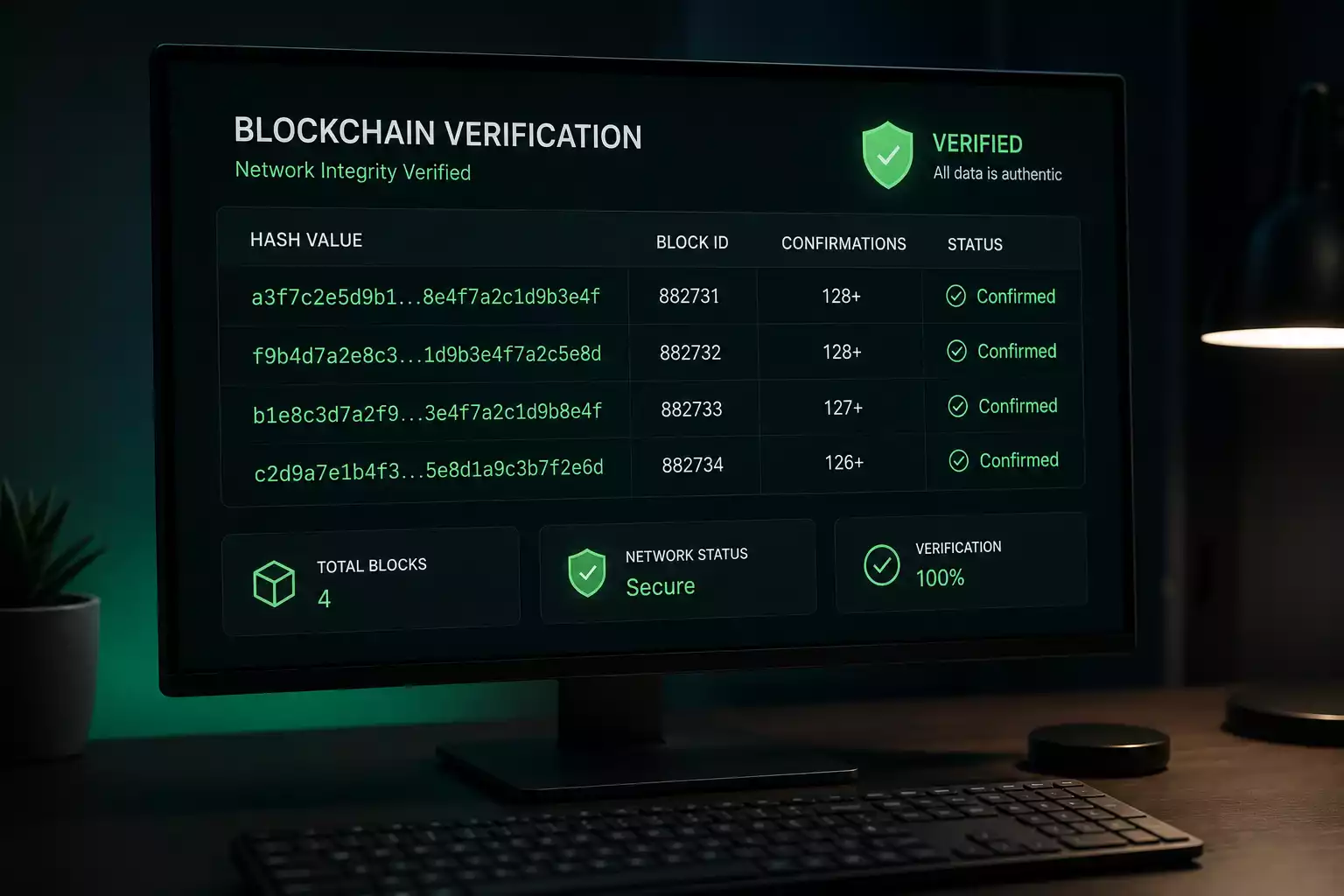
This is clever cryptography. It solves one specific problem: post-outcome manipulation. What it does not solve is pre-outcome design — whether the game’s overall payout structure, volatility model, and return-to-player percentage are what the casino claims they are. A provably fair game can be provably unfair in aggregate if the mathematical model behind the outcome generation is biased. Michael Chen, a blockchain gaming analyst, has observed that blockchain creates “a new baseline of trust” in online gambling — but that baseline covers outcome integrity, not game fairness.

The coins it depends on: the crypto payments.
Does Love Casino Offer Provably Fair Games
Most traditional online casinos — including Love Casino — do not use provably fair technology. Their games come from third-party providers like Pragmatic Play, NetEnt, and Evolution, which use certified random number generators rather than blockchain-based verification. The certification model relies on independent testing houses like eCOGRA, iTech Labs, and GLI auditing the RNG and certifying that it produces statistically random outcomes over defined sample sizes.
The two approaches — provably fair and third-party certification — address the same trust problem from different angles. Provably fair gives the player the tools to verify individual outcomes. Third-party certification gives a trusted intermediary the authority to validate the overall system. Neither is inherently superior; they have different strengths and different blind spots.
Crypto wager volume reached 26 billion dollars in Q1 2025 alone, and the provably fair model is most common at crypto-native casinos — operators built specifically around blockchain integration. Love Casino accepts cryptocurrency for payments, but its game library is built on traditional provider infrastructure. The distinction matters: accepting Bitcoin for deposits is a payment feature, not a game fairness feature. Provably fair technology lives in the game engine, not in the payment processor. The crypto payment options at Love Casino offer transaction advantages without changing how game outcomes are determined.
Our top casino picks for the UK
- BeOnBetBonus: 100% up to €500 + 100 FS · Payout speed: 1-3 business days
- AmunbetBonus: Join now and get 450% up to 2,700 GBP + 450 FS · Payout speed: 1-3 business days
- DieselwinBonus: Welcome Pack 250% up to £4000 + 200 FS · Payout speed: 1-3 business days
- SlotoSportBonus: 500% up to £ 10 200+ 777 FS · Payout speed: 1-3 business days
- NightWinBonus: £900 + 400 free spins · Payout speed: 1-3 business days
- SpinFormulaBonus: 550% Up To £15,000 + 550 FS · Payout speed: 1-3 business days
- ZombillionBonus: Welcome Pack 250% up to £4000 + 200 FS · Payout speed: 1-3 business days
- EvoSpinBonus: 125% up to €2500 + 125 Free Spins · Payout speed: 1-3 business days
- x3betBonus: Welcome Pack 100% Up to £1.000 + 200 Free Spins · Payout speed: 1-3 business days
The Verification Gap at Offshore Casinos
At a UKGC-licensed casino, the regulator requires independent RNG testing, periodic compliance audits, and public reporting of payout percentages. The player does not need to verify individual outcomes because a regulatory body with enforcement powers does it systematically. At a Curaçao-licensed casino, the regulatory requirements are less granular. The Curaçao Gaming Authority mandates RNG certification as part of the licensing process, but the depth and frequency of ongoing audits is less transparent than the UKGC model.
This creates a verification gap. The player cannot provably verify outcomes (because the games do not use provably fair technology) and the regulatory auditing is less rigorous than at UKGC-licensed operators. The gap is filled — partially — by the game providers themselves. Major studios maintain their own certification and audit processes regardless of which casinos distribute their games. A Pragmatic Play slot operates identically whether it is hosted at a UKGC-licensed casino or a Curaçao-licensed one, because the game runs on Pragmatic Play’s infrastructure. The provider’s reputation depends on the game’s integrity, and that creates an economic incentive for fairness that operates independently of the casino’s licensing jurisdiction.

Smaller providers, however, do not always have the same level of infrastructure, third-party auditing, or reputational incentive. Games from obscure studios at offshore casinos carry higher verification risk than games from established providers. The average online slot RTP sits at 96% across the industry, but that average masks a wide distribution, and games from unaudited providers may deviate from their stated RTP without external detection.
Practical Steps for Verifying Game Fairness
Stick to games from providers whose names you recognise and whose certification you can independently confirm. Pragmatic Play, NetEnt, Play’n GO, Evolution — these studios publish their testing certifications and distribute games through their own infrastructure. Check the game’s published RTP against the provider’s official documentation, not just the casino’s claim. If the RTP shown in the game interface does not match what the provider lists on their own website, that discrepancy warrants caution.
Track your own results over time. While short-term variance makes it impossible to detect unfair games from a few sessions, sustained tracking over hundreds or thousands of spins can reveal patterns. If your actual return over 5,000 spins on a game with a stated 96% RTP is consistently below 90%, either variance is extreme or the game is not performing as advertised. Neither conclusion is good, but the latter is worse.
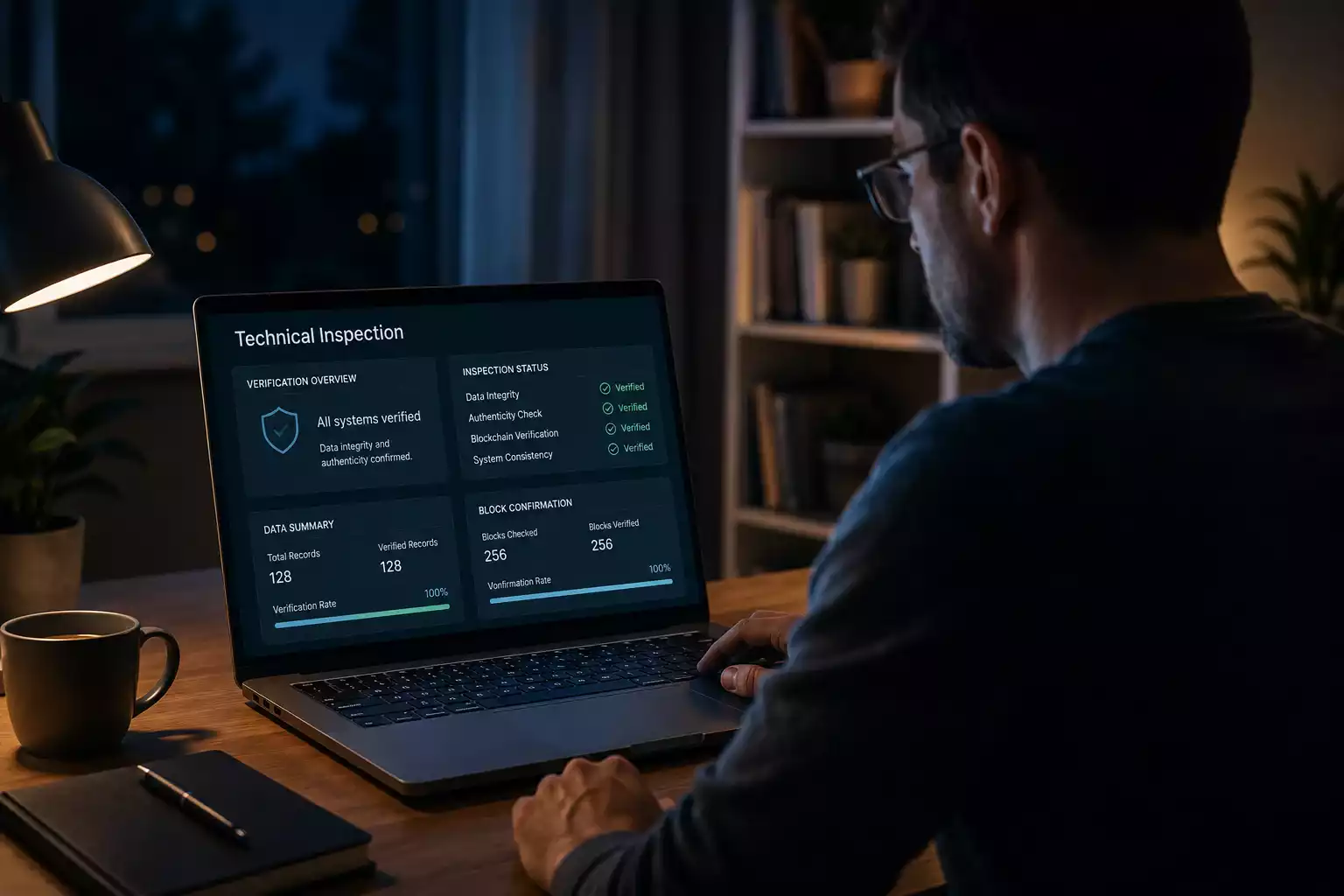
Crypto wagering is a fast-growing segment — industry-blog estimates put crypto at up to 30% of wagers on crypto-friendly platforms, while broader analyses put crypto’s share of all online gambling at 5–10%. Either way, the intersection of crypto payments and provably fair gaming continues to grow. For players at Love Casino, the current reality is that game fairness rests on provider certification rather than player verification. That is not unusual — it is how the majority of online casinos operate. Whether it is sufficient depends on your trust in the specific providers whose games you play and the regulatory framework under which the casino operates.
Does Love Casino use provably fair technology?
Love Casino’s games come from third-party providers like Pragmatic Play and NetEnt, which use certified random number generators rather than blockchain-based provably fair verification. Provably fair technology is most common at crypto-native casinos with proprietary game engines, not at traditional operators using third-party game libraries.
How can I verify that games at Love Casino are fair?
Game fairness at Love Casino relies on provider-level certification rather than player verification. Check that the games you play come from established providers with published RNG certifications from testing houses like eCOGRA or iTech Labs. Compare the RTP shown in the game interface against the provider’s official documentation to confirm consistency.