
 Available in GB
Content
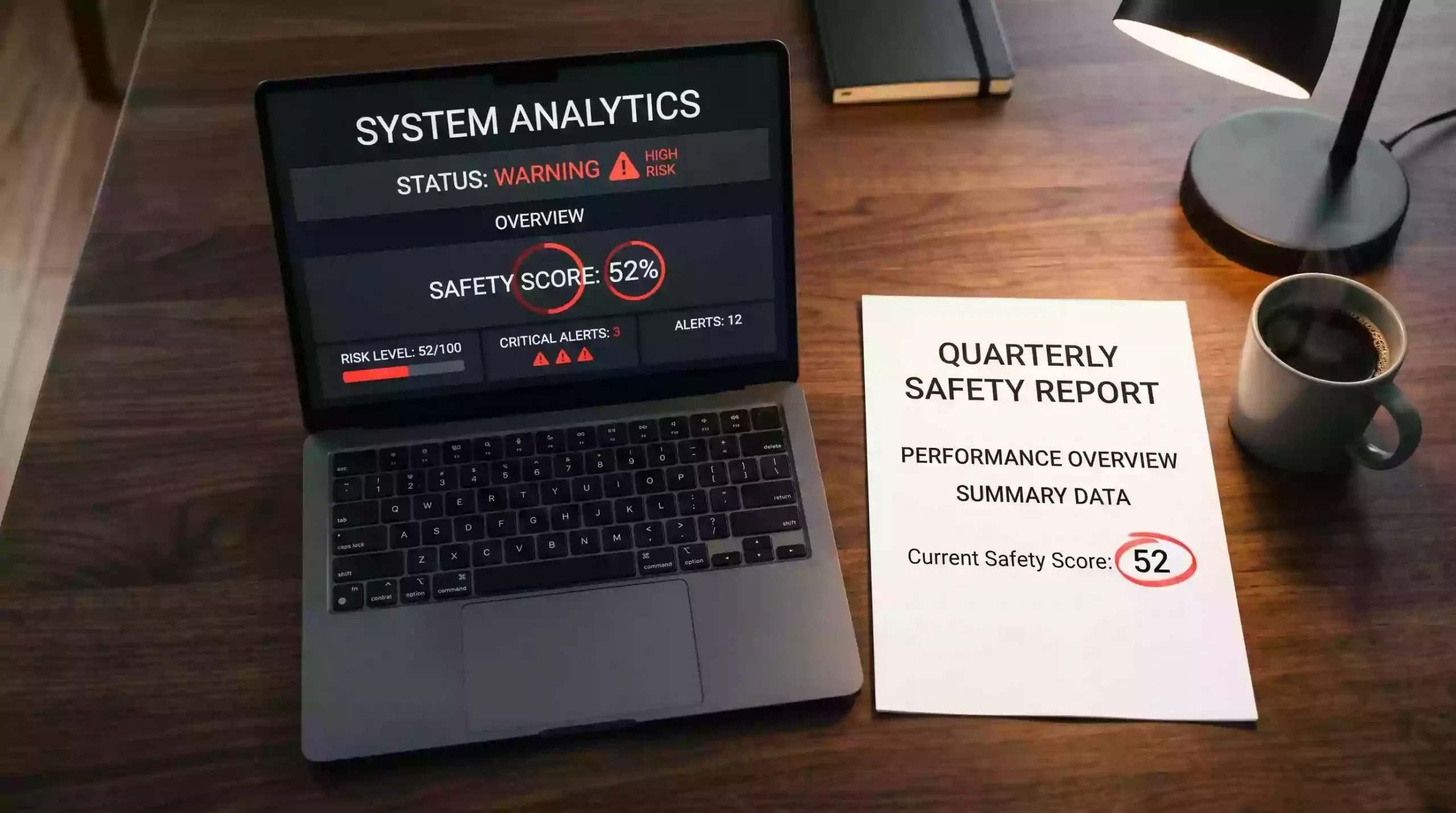
Safety Index 1.3 Out of 10: What the Numbers Say About Love Casino
I have reviewed hundreds of online casinos over twelve years, and the moment I pulled up Love Casino’s Safety Index, the number stopped me cold: 1.3 out of 10. That score lands squarely in the “Very low” category — a designation that casino.guru’s methodology reserves for operators exhibiting multiple warning signals simultaneously. To put that in context, most Curaçao-licensed casinos I audit score between 3.0 and 5.5. Love Casino sits well below even that modest range.
The Safety Index itself is not a single metric. It aggregates player complaint resolution rates, licence standing, terms-and-conditions fairness, withdrawal processing reliability, and historical conduct patterns. A score of 1.3 means the operator has failed across nearly every dimension that the methodology measures. Across financial year 2024–25, the UK Gambling Commission delivered 741 cease-and-desist and disruption notices against unlicensed operators and flagged almost 400,000 URLs to search engines — the sheer scale of that enforcement activity tells you how crowded the unlicensed space has become, and how difficult it is for players to distinguish one risky site from another.
What concerns me most about Love Casino’s score is the complaint pattern underlying it. Safety Index models do not penalise operators for isolated incidents — they penalise for systemic behaviour. When an operator consistently fails to resolve payment disputes, when terms change without notice, when support channels go unresponsive during withdrawal requests — those recurring patterns drive a score into the sub-2.0 territory. And that is precisely the territory where Love Casino sits.
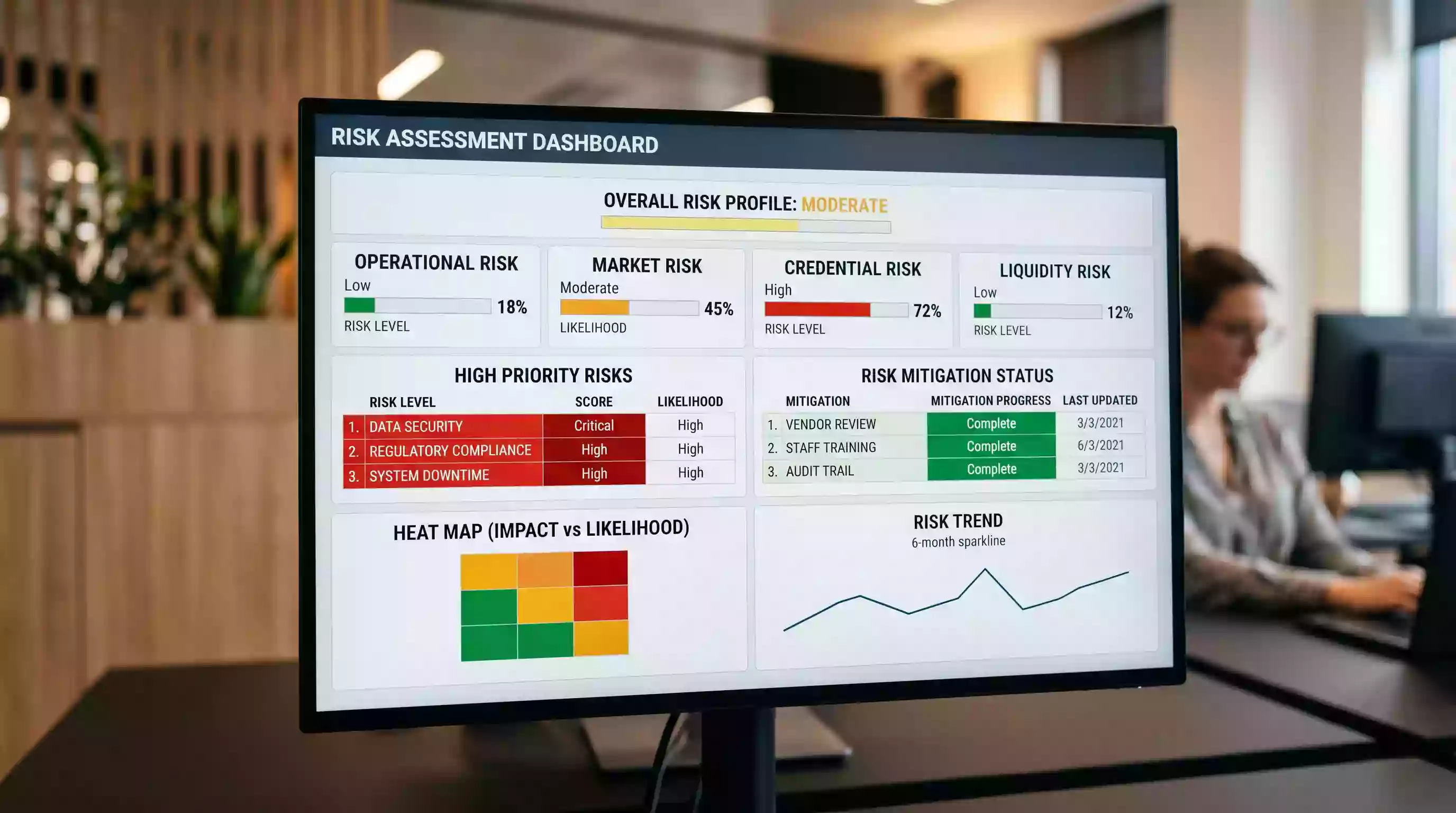
The Curaçao licence that Love Casino holds underwent a seismic shift in 2025. Every legacy sub-licence was cancelled when the LOK reform took effect, and the transitional orange digital seal expired on 15 October 2025. Any operator that did not secure a direct licence from the new Curaçao Gaming Authority after that date operates in a regulatory grey zone. Whether Love Casino completed that transition is something I have not been able to independently verify — and that ambiguity itself is a red flag.

The licence behind the operator: the Curaçao licence.
Trustpilot Complaints: Recurring Themes and Red Flags
Three years ago, I started systematically cataloguing Trustpilot reviews for offshore casinos as part of my compliance monitoring work. Love Casino’s review profile follows a pattern I have seen dozens of times: a cluster of enthusiastic five-star reviews with generic language (“great casino, fast payouts, love it!”) interspersed with detailed one-star complaints describing specific, verifiable problems. The detailed complaints are the ones worth reading.
The recurring themes across negative Love Casino reviews fall into three buckets. First, delayed or denied withdrawals — players reporting that approved cashouts stall at the processing stage for weeks beyond the stated 72-hour window. Second, unresponsive support — live chat agents promising escalation that never materialises, email enquiries going unanswered for days. Third, and most troubling, account closures during pending withdrawals where the player’s balance effectively vanishes. That third category is the one that separates a poorly run casino from one that raises legitimate fraud concerns.

I always look at the operator’s response rate on Trustpilot as a secondary signal. Licensed UK operators typically respond to negative reviews within 24-48 hours, often with a case reference number and a named complaints handler. Love Casino’s response rate to negative reviews is sparse, and where responses do appear, they tend to redirect the complainant back to the same support channels that allegedly failed them in the first place. That circular response pattern is a meaningful data point — it suggests the operator either lacks the infrastructure or the inclination to handle disputes properly.
It is also worth noting that the volume of reviews matters. An operator with thousands of transactions per month and a handful of complaints is in a very different position from one with a thin review history where a large proportion of entries describe the same failure mode. Love Casino’s review volume is modest compared to established UKGC-licensed brands, which makes each detailed complaint statistically more significant.
One thing I want to be clear about: Trustpilot is not an arbitration platform. Reviews can be fabricated in both directions. Competitors plant negative reviews. Affiliates plant positive ones. I treat Trustpilot data as directional, not definitive. But when the complaint themes are specific, internally consistent across multiple reviews, and describe the same operational failures I see flagged in Safety Index methodologies — that convergence is hard to dismiss.
Payment Fraud Reports: Third-Party Processor Concerns
The detail that first caught my attention in Love Casino’s payment infrastructure was the involvement of third-party processors that players did not expect. When you deposit at a casino, you reasonably expect your withdrawal to come back through the same channel. Instead, some Love Casino players report receiving payouts through entities like Giftoza and Paytechno — names that do not appear in the casino’s published payment information and that players had no prior relationship with.
Why does this matter? Because third-party payment routing obscures the money trail. If a dispute arises between you and the casino, your bank or card issuer needs to identify the merchant. When the merchant on your statement is an entity you never heard of, operating from a jurisdiction you cannot identify, the chargeback process becomes significantly harder. I have seen this pattern at multiple offshore operators, and it almost always correlates with higher complaint volumes around withdrawals.

The Curaçao LOK reform was supposed to address some of these transparency gaps. The new regulatory framework requires operators to maintain clearer financial controls and segregate player funds. But enforcement capacity at the Curaçao Gaming Authority remains limited compared to the UK Gambling Commission, which processed over 203,000 URL removals in just nine months during 2025. The gap between what the regulations require and what regulators can actually enforce is where operators like Love Casino operate — and it is that gap that makes withdrawal reliability such a persistent concern for players at offshore sites.
I want to be precise about what I am and am not saying here. I am not alleging that Love Casino is committing fraud. I am saying that the combination of a 1.3 Safety Index, recurring Trustpilot complaint patterns, and opaque third-party payment routing creates a risk profile that any informed player should weigh carefully before depositing funds. The data points are public. The pattern they form is clear. What you do with that information is your decision.
What does a Safety Index of 1.3 mean for Love Casino players?
A Safety Index of 1.3 out of 10 falls into the ‘Very low’ category, indicating systemic issues across complaint resolution, licence standing, terms fairness, and withdrawal reliability. Most Curaçao-licensed casinos score between 3.0 and 5.5, placing Love Casino well below the average for its licensing tier.
Are Love Casino scam reports verified by independent reviewers?
Scam reports on platforms like Trustpilot are not independently verified in the way regulatory complaints are. However, when multiple reviews describe the same specific operational failures — delayed withdrawals, unresponsive support, unexpected third-party payment processors — the consistency across reports provides a directional signal about the operator’s conduct.
How do Love Casino’s Trustpilot ratings compare to UKGC-licensed casinos?
UKGC-licensed casinos typically maintain higher Trustpilot response rates and demonstrate structured complaint resolution with case reference numbers and named handlers. Love Casino’s review profile shows sparse operator responses and a pattern of redirecting complainants to the same support channels they reported as unresponsive.